MUSiC: David Axelrod’s Unholy Trinity

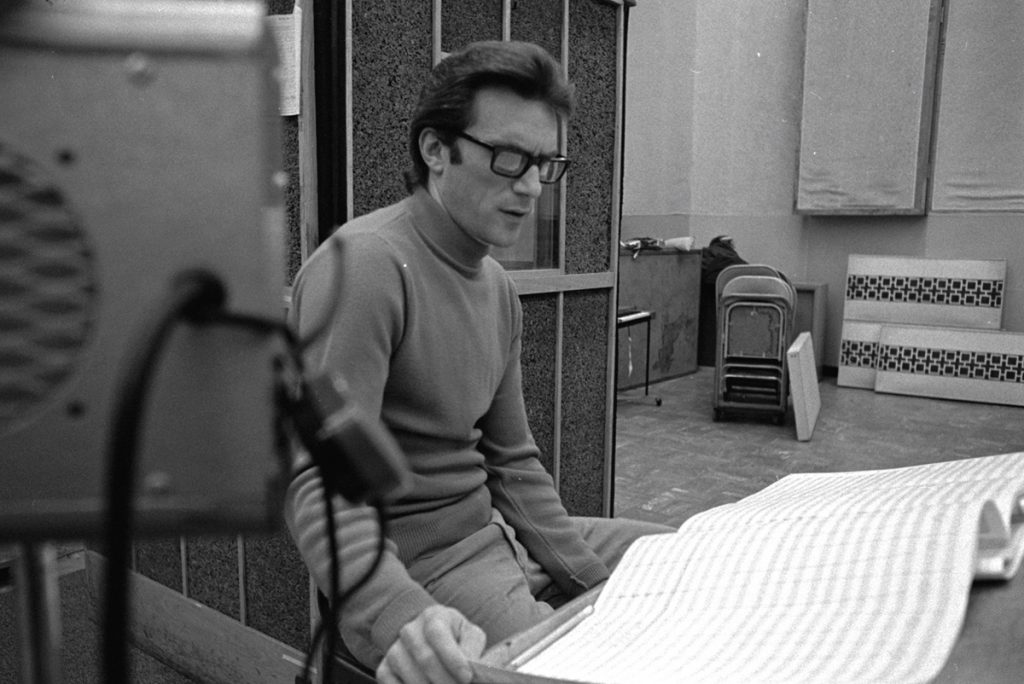
Axelrod at work at Capitol Studios, looking exceptionally cool!

I’m experiencing yet another musical epiphany. Which is nice. This one revolves, like a rather wonky moon, around the planet Axe, aka David Axelrod.

I don’t recall precisely when I first became aware of him. Poss’ during the noughties? There was a quite distinct period when Li numerous bloggers were pumping out digitised versions of old vinyl, and sharing them in the blogosphere. I hoovered up a good of obscure-ish or OOP (out of print) music during that period.

It soon became apparent to me that I already knew Axe, primarily via the Cannonball Adderley recordings of the mid to late sixties through to the mid-seventies, many of which I’d discovered during the same orgy of digital downloads.

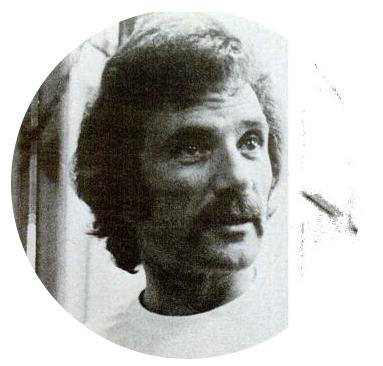
The mighty Axe. Or Dave, to his friends. In ‘72.

Anyway, back then I downloaded and listened to such Axelrod stuff as Heavy Axe, and The Auction. I also downloaded, but failed to appreciate properly, both Songs Of Innocence and Songs of Experience.

Only now are those two latter albums starting to really seep into my pores, and transform me, along with 1970’s Earth Rot. It’s strange how music can be out there all along, and yet one doesn’t find or connect with it until some seemingly random moment.

Some folk who like Axe’s trio of heavy concept albums – also his first three solo albums (things were strange and different back then!) – can be a bit sniffy about his subsequent recordings. Personally I love pretty much all of what I’ve heard by him thus far.

It has to be said that this opening salvo, a trilogy of pretty unusual recordings, is, in some respects – taken as a whole – both quite singular, and pretty mind blowing. It’s hard, also, to properly appreciate the context in which they were made.
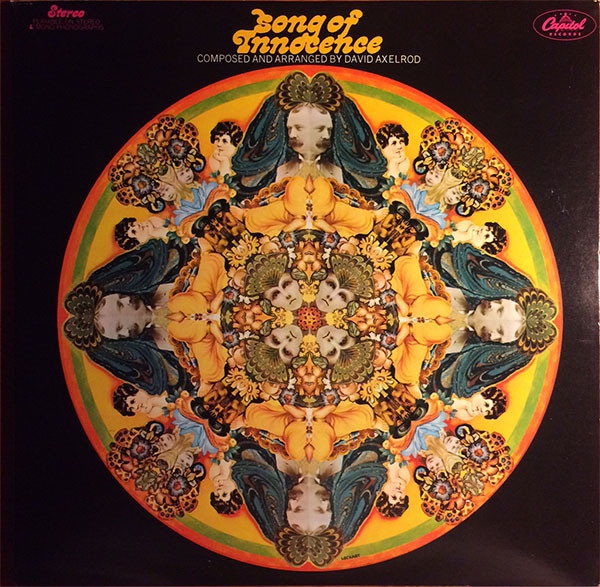
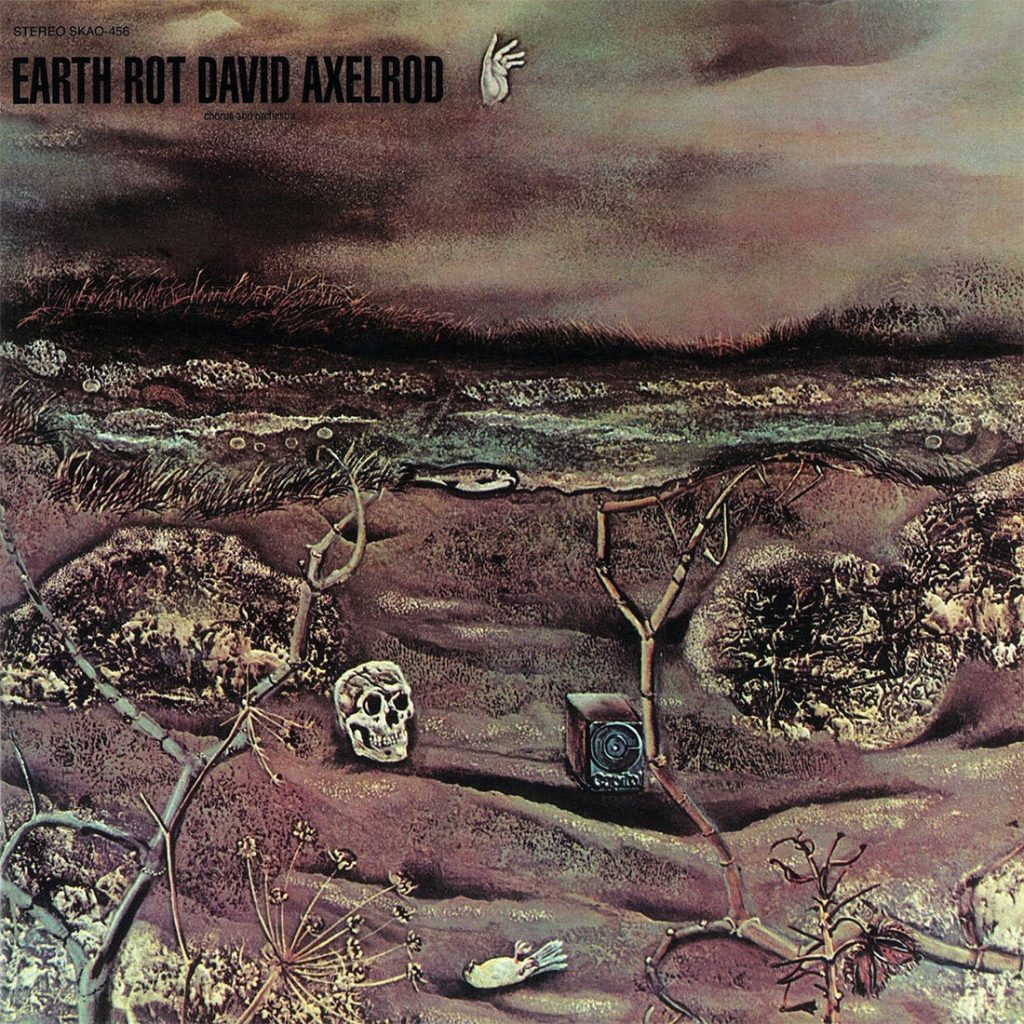
Dig that mandala cover, man… heavy!

As I type this I’m listening to Songs Of Innocence. As the title suggests, it tips a nod to William Blake, another maverick artist. The team of musicians creating the really quite sublime sounds, which have a kind of thematic coherence and unity I’ll address later, are top notch.

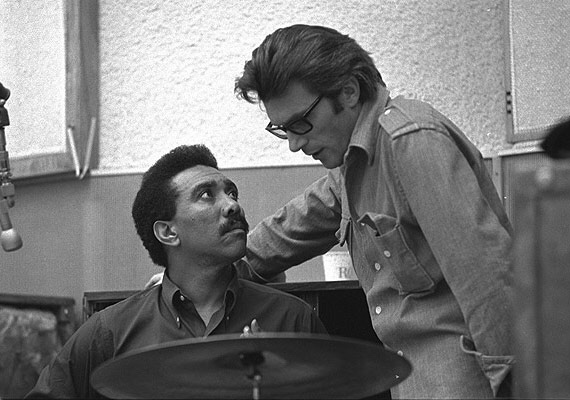
Axe looking very Clint, chats with Earl Palmer.

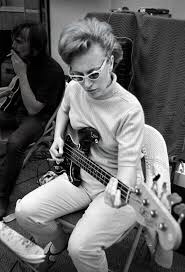
The elastic energised grooves of Earl Palmer (no relation, as far as I know; more’s the pity!) and the lithe electric bass of Carol Kaye, propel a rhythm section rounded out by folk like Don Randi, Al Casey and Howard Roberts. The all instrumental compositions are fleshed out with great cloudy pillows of strings and brass.

Like the original record cover, the music is stunning. Totally of its time, and yet also – to my ears – fresh and ageless, transcending the trappings of the era that gave birth to it. Axelrod was given carte blanche, and had both the budget and the means at his disposal to do something most aspiring producers can only dream of.
And all those resources and all that promise? It all kind of fell flat. Whilst Axe’s work with other artists seemed to work for both parties, his own stuff wound up becoming obscure, overlooked, and almost forgotten.

Bleak eco-doom, Earth Rot!

I’m loving the trinity of his first three solo albums so much that I’m going to make a point of going back to all those Adderley albums he had a hand in, and check them all out again. I’ve also ordered the eponymous album that Mo’ Wax released (2001?), which is actually culled from old recordings, of the same or similar vintage to the good ol’ trilogy that I’m totally digging right now.

As do in addition to that I’ve also ordered The Edge, a 2CD collection of his work on Capitol from ‘67-70. This will duplicate much of what I already have. But it also adds a load of stuff he did with other artists in that period. Can’t wait to hear more Axe!

But, as promised/threatened above, more on the music itself. The album – I’m talking primarily here about Songs of Innocence, as that was what I was listening to whilst writing the first draft of this post – is short. And rather than being a collection of different and distinct songs, it’s more a suite of variations on a few themes.

Carol Kaye recording with Axe.

The seven pieces clock in at about 27 minutes. So the whole thing is quite brief. Similarly, Songs of Experience (1969) is just over 30 minutes, and Earth Rot (1970) just under (about 28 minutes). So all three combined make a single playlist of about 90 minutes.

Here’s a link to a piece about Axelrod from The Guardian. This goes into how he has returned to public consciousness via the sampling of his works by hip hop producers. I’ll confess that’s not really my bag, baby. I definitely prefer to go direct to the source!

I also feel the urge to try and find more music exploring similar territory. Amazingly this runs the gamut from stuff like Roy Ayers, to Chris Bowden’s Time Capsule, or from Alice Coltrane to Ligeti.

And, like Woody Allen’s Zelig, I also want to try my own hand at composing some music in this territory. I think I may already have some recordings suited to being taken in this direction. Hmmm!? Yet more reasons to get my old home studio back up and running

But for now, my immediate ‘Jones’ is for listening to Axe’s incredible series of Capitol recordings. I’ve got them all as MP3 files, with the CD or Earth Rot (which arrived whilst Teresa and I were off, to Cardiff, for my sister Abbie’s wedding!) is the first to arrive in physical form.

As The Pointer Sisters famously sang, I’m so excited!

MEDiA: Vine headphones!?

Check out these weird things!

I don’t usually allow my whoring for Amazon to sully my own blog, or even my occasional FB posts.

But I’m making a minor exception for these headphones ‘cause I really quite like them. In a way they’re nowt special. They’re just a pair of ‘sports headphones’. There are loads out there.

The ‘off axis’ design aspect, where they hook over one’s ears and have a headband at the rear of one’s noggin, not over the top of the cranium, I’ve seen before.

But what’s fresh for me, regarding these, is that they’re not in or over the ear, but rather ‘induction’ style: they sit slightly forward of one’s ears.

I’m not sure if there are two speakers per side, or poss even more? The main thing, however, is that they leave one’s lugs open and free.

Sometimes you want closed-back speakers, to block out the outer world. But at others, the ability to listen to music – or to take a phone call (these also do that) – and yet remain aware of one’s surroundings can be great.

These also feel almost invisible. I wore them all day today. Ordinary headphones, or even ear-buds, I’d take off when not listening to music. I felt comfy leaving these in situ.

I do t think these are super high quality. And I hope they’ll last a decent length of time. I.e. I’m afeared they might prove to be cheap tat! That’d be terrifically disappointing, as these rather suit me – not visually, necessarily (you be the judge!) – but user-friendliness wise.

Earlier the same day… a first fitting/try out.

In terms of audio quality there distinctly average, or plain ok. Neither horribly cheaply tinny, nor jaw-dropping my great. Just got for porpoise.

I don’t listen to music as much not as obsessively as I used to. But when I do listen, these may become my go to, for a while. And they’re good for fielding calls as well.

These were Amazon Vine freebies. I get them for nowt. But I have to leave a review on Amazon UK’s website. I get tons of stuff. Very rarely do I like summat enough to share it here. In fact this is, I think (?), a first.

I think they’re currently (at the time of posting) about £29-30. Everything seems expensive to me! But in real world terms, and at today’s prices, that neither. Wry cheap nor super expensive. I’m just chuffed mine were free!

Here’s a link to them.

MEDiA: Casablanca/Play It Again, Sam

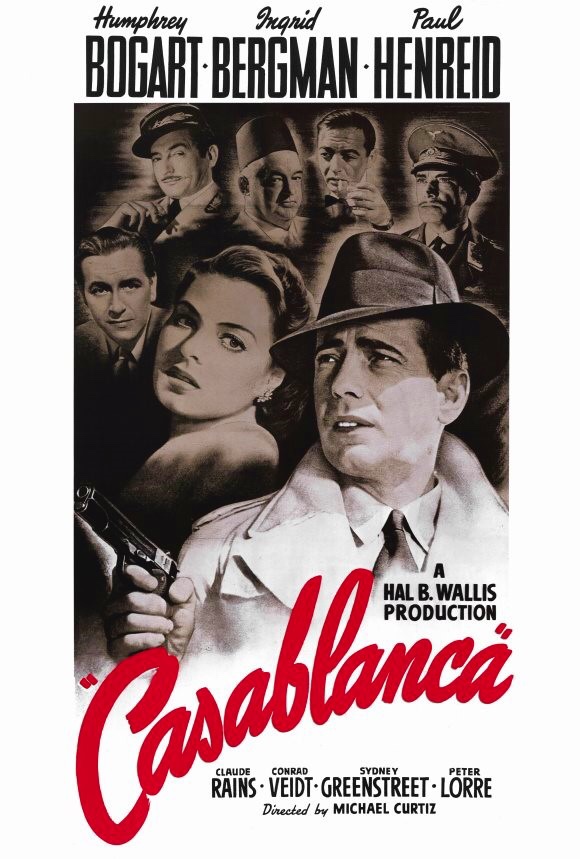
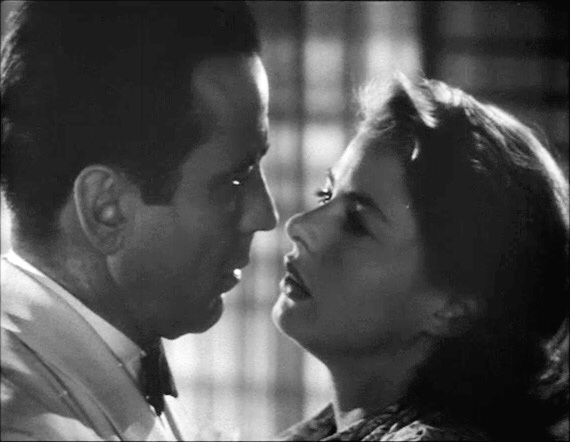
Today a cinema fairly local to me is showing Casablanca.

Billed as an 80th anniversary screening, it’s a one-off. I really want to go see it on the big screen. I’ve only ever seen it at home, on TV or DVD, so on a relatively tiny screen.

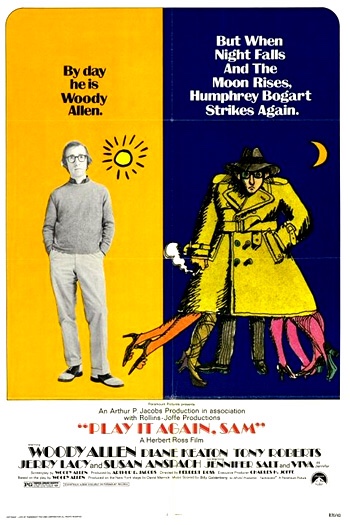
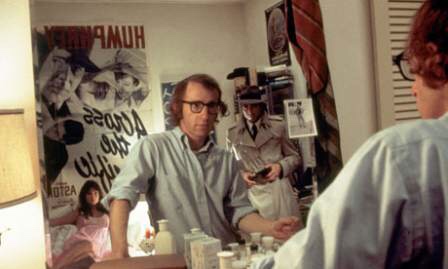
Truth be told, it’s Woody Allen’s wonderful 1972 Play It Again, Sam, that is, I believe, the chief reason I love Bogey and Casablanca. And, exactly like me, Allen’s movie is 50 this year! So Casablanca and Play It Again, Sam both celebrate significant anniversaries this year.

Allen’s Walter Mitty like Bogey daydream visitations are priceless.

Pity the local cinema isn’t doing the two as a double-bill. They’re missing a trick there. How I’d love to see that! I wonder if anyone anywhere is putting on such a bill? I’d be there, like a shot! (Adopts a faux-Bogey accent) So… would that be a two fingers of bourbon type shot, or a slug from a 45!?

Indeed, such is my yearning to see Casablanca on the big screen, I’m going to try and shift my Monday drum lessons around a bit and make it happen. Wish me luck!

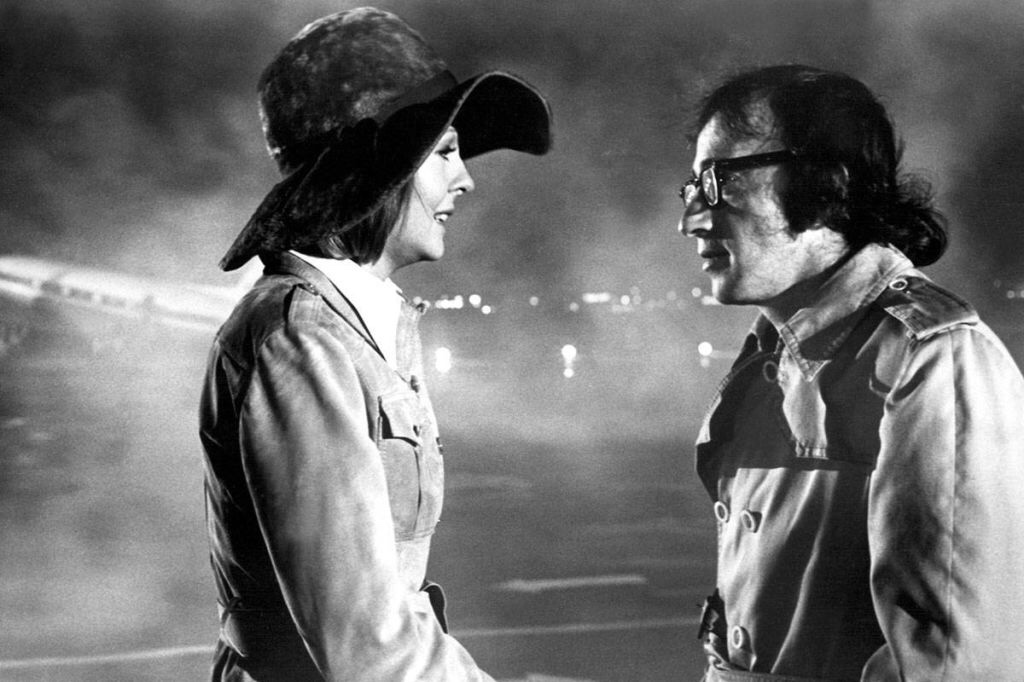
Allen and Keaton do the ‘airport scene’.

This post isn’t the place for reviews or synopses of these great movies. That said, a few notes or observations seem fair game. For one thing, it’s fascinating how this, one of the best and most quintessentially Woody Allen-esque of all Allen’s movies wasn’t directed by Allen himself. Strange but true!

Also, it may very well be that it was Allen’s original stage play, from whence this movie derives, and of course the film itself, that have helped propagate the ‘false memory’ that the title of Woody’s works is actually a direct quote from Casablanca itself. It isn’t.

Vintage Hollywood!

Both are terrific films. I do hope I do manage to see Casablanca later today. We shall see, I guess…

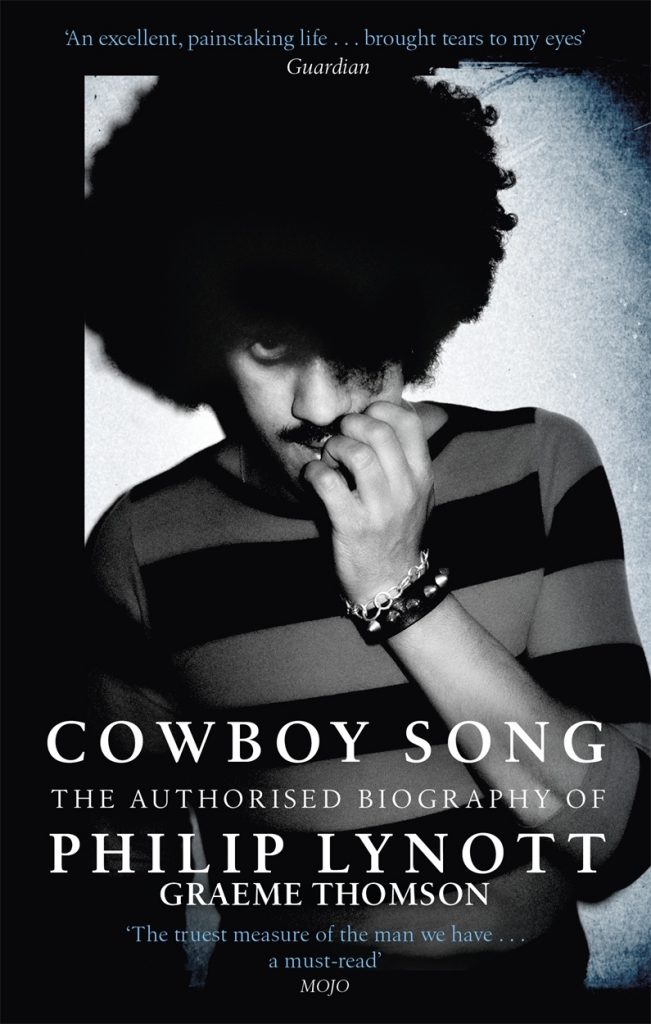
BOOK REViEW: Cowboy Song, Graeme Thomson

I’ve loved Thin Lizzy, and consequently Phil Lynott, ever since I was first introduced to them, somewhere between the ages of 10-12 years old, by a girl I briefly dated. Thanks, Heidi!

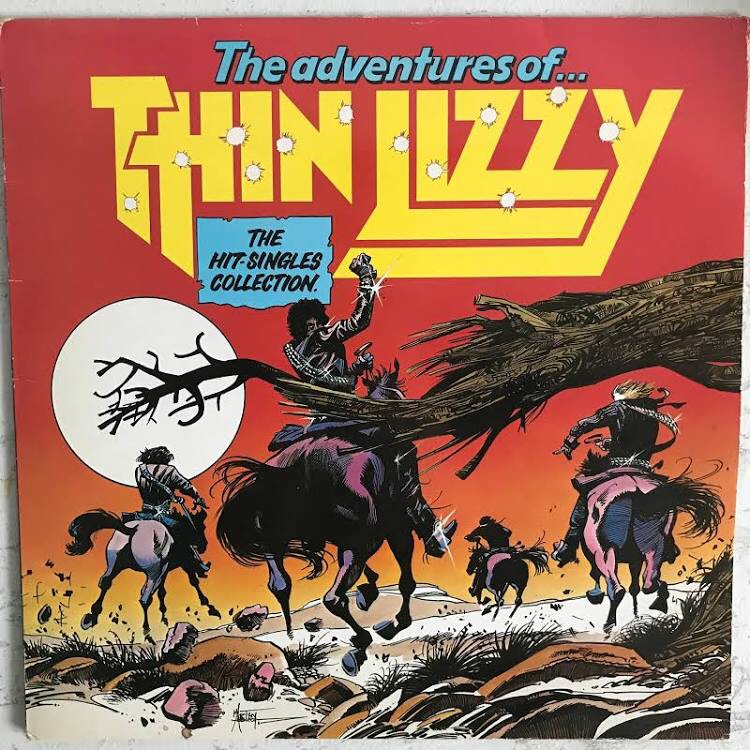
A cassette of a greatest hits compilation – The Adventures of Thin Lizzy – was the way I was introduced to this group. Wild One and Whiskey In The Jar were the first to really take root. Within a year or two I was collecting their albums. And now, almost 40 years later, I still love Lizzy and Lynott.

This was my intro’ to all things Lizzy/Lynott.

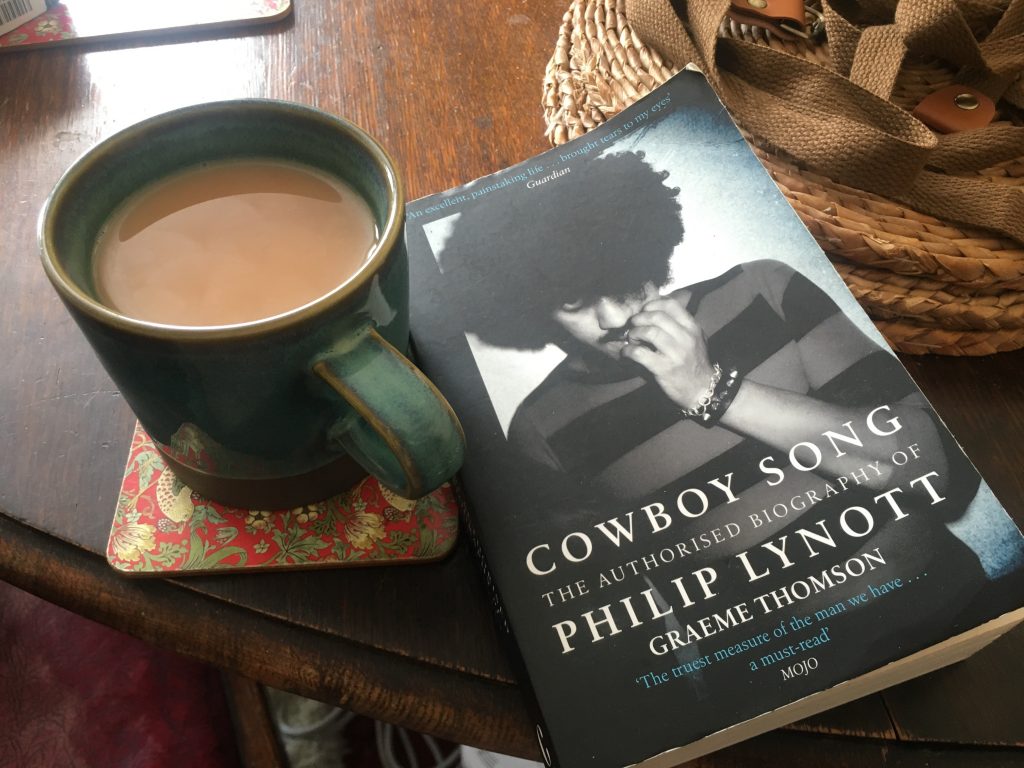
My sister got me this book for my 50th (thanks, Hannah!), and I’ve just finished reading it. I’m glad Graeme Thomson and I share a view of Lynott that appreciates his broader sweep. The ’rise and dear demise’ of Lynott’s own ‘funky nomadic tribe’ – that’ll be Lizzy – is shockingly brief, and distressingly riddled with patchy fortunes.

Like many biogs on artists in many varied fields, the most enchanting and exciting stuff is kind of front-loaded: childhood, and the ‘getting into it’ being periods full of promise. Thomson covers all this very well.

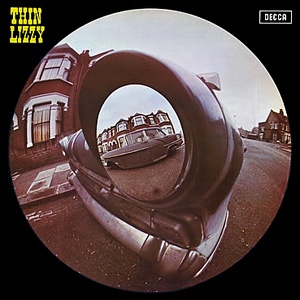
Lizzy’s debut is terrific.

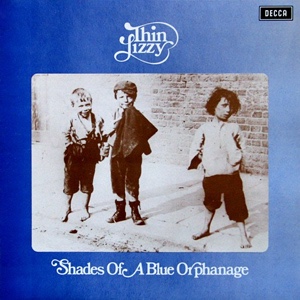
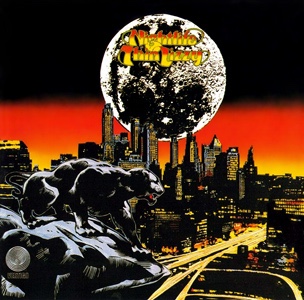
I don’t agree with all his judgements on Lizzy’s recordings – we’re probably roughly agreed on the naive and varied charms of the first three albums – but I clearly like and rate Nightlife and Fighting rather more highly than Thomson.

I adore this record. One of my early
acquisitions

I’m perhaps a little more aligned with his views on the decline of the group, but not entirely. Bad Reputation is terrific. For me, and despite Gary Moore (and ‘Sarah’), Black Rose is the start of the decline. Chinatown’s not the best. But it’s not so bad.

Given that I’m a bit of a Lizzy nut, I confess I hardly know Renegade; the fact I’ve had it for decades and almost never listen to it says something!

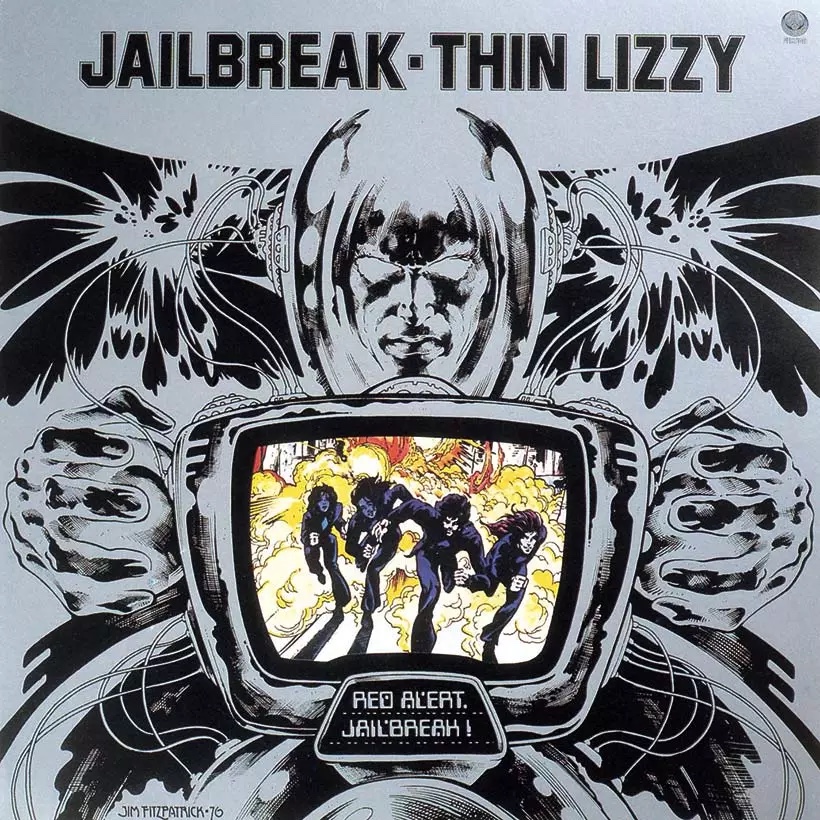
Possibly my favourite Lizzy album?

Even though it arrived when things were already going badly, I actually quite like Thunder And Lightning. Although I have to agree with Thomson, and admit that with Sykes on boards it did all get a bit too ‘eavy metal’. But with Cold Sweat and The Sun Goes Down, it ain’t all bad!
Lynott died the day before I turned 14. I’d really only just discovered him and Thin Lizzy! I was only very dimly aware of it at the time. I was sad, I do remember that much, but I had very little knowledge of his truly grim and tragic decline. And for me he was very much alive, via the music.

Mind you, this is a stone classic!

Reading about this latter part of Lynott’s life is not much fun. It’s such a cliché! So sad to see a man of so much talent and such polyglot tendencies gradually reducing themselves to an unpleasant caricature.

And one always feels a mix of why didn’t folk help more? Along with a realisation that those bent on self destruction might very well be beyond help. So sad!

But, despite the inevitability of the way the story ends, I’d still thoroughly recommend this book, esp’ for the first two-thirds to three-quarters, which are a rollicking good read, documenting an exciting man and the great music he and his chums made.

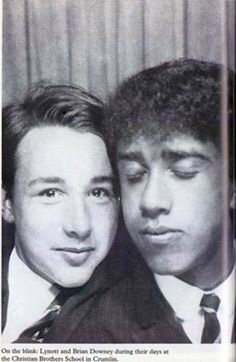
Lynott and Brian Downey, pre Lizzy!*

Of course I’d also recommend either acquainting yourself with Lynott and Lizzy, if they’re new to you. Or, if you already dig ‘em, revisiting the terrific musical legacy they left us all.

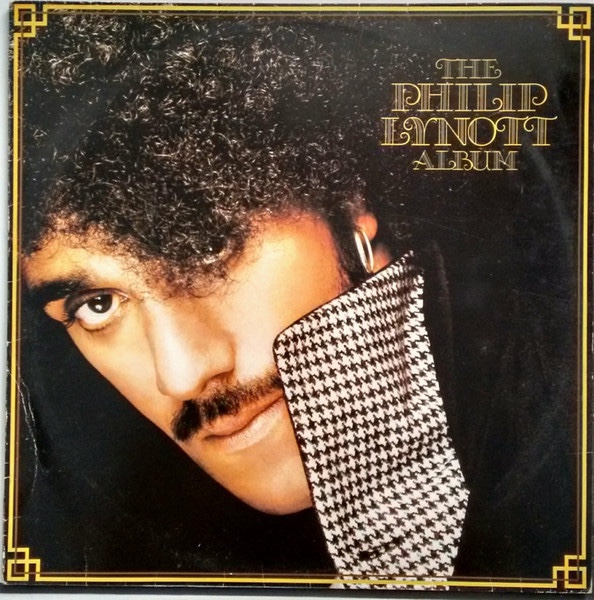
As a footnote, another area where I think I may well differ from Thomson is regarding Lynott’s two solo records. The first, Solo in Soho hasn’t aged particularly well, to my ears. But The Philip Lynott Album? It’s a stone cold underground classic!

A terrifically eclectic album.

A recurrent theme (or sub-text, perhaps?) throughout this book takes note of how Lynott was never really the one-dimensional hard man rocker that a part of his own personal mythology might have folk believe.

Early Thin Lizzy, from their eponymous debut right up to Jailbreak, and perhaps even more so The Philip Lynott Album, show the musical magpie or chameleon that gradually faded away from the Lizzy side of the equation.

Lynott with Frank Murray, who’s quoted frequently in the book.*

Apparently there are about 500 unreleased Thin Lizzy tracks, or demos. I’m not sure if this figure includes the many Lynott side projects and/or misc collab’s? For example at one point it’s noted that he had a bit of a private funk period. I’d love to hear that stuff!

Anyway, in conclusion, an excellent biography of an interesting man, talented artist, and, for better or worse, ‘rock legend’!

* These pics are not in Thomson’s book.

HOME/DiY: Wisteria planters

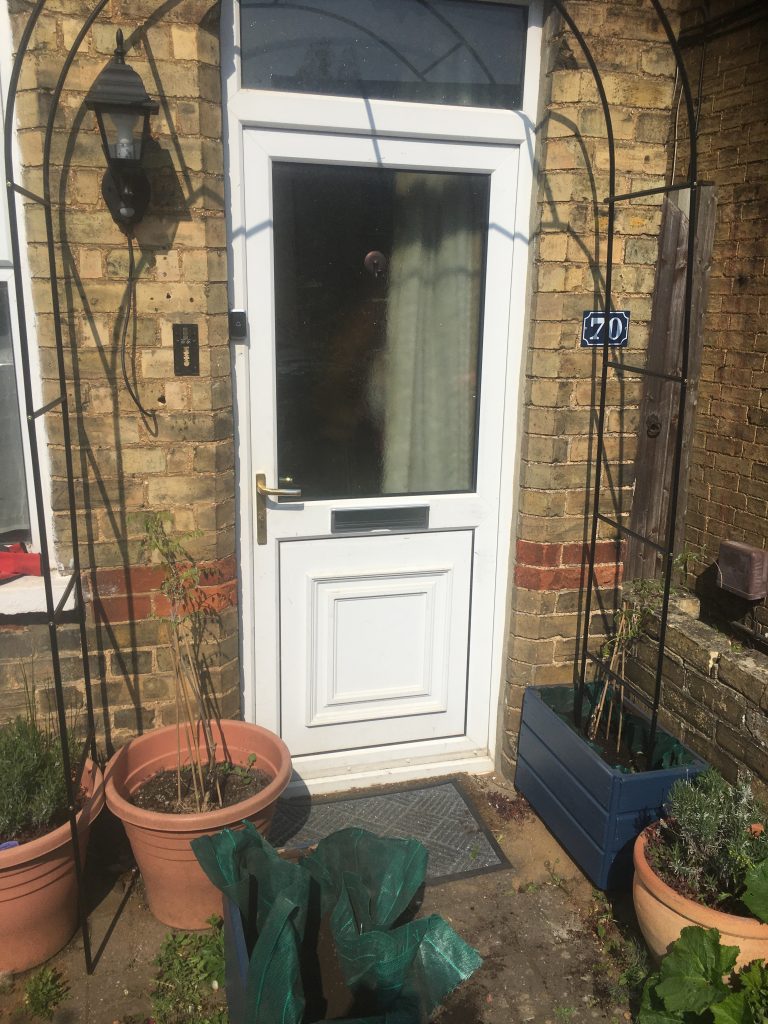
The planters, wisterias and frame in situ.

Teresa’s been on at me for a good while to make two planters for our two wisteria, and the front door arch she recently got for us.

I’ve been putting it off on account of not having the right timber to hand. We’ve been looking out for free pallets. But failing to find any. So I just went ahead anyway with what was at hand.

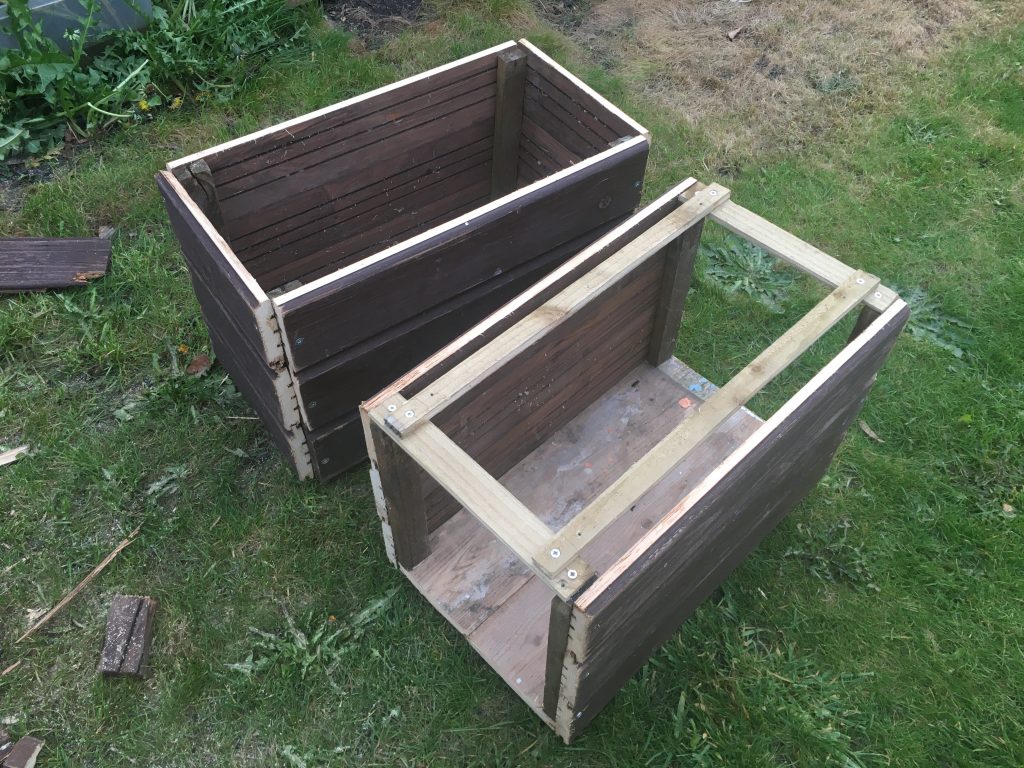
The building stage .

I used reclaimed Victorian floorboards we got free (Freecycle!) many years back, for the base. And the sides are made from cladding from one of our pal Ken’s outbuildings. I didn’t really want to use the latter wood. But needs must!

The cross-members over the top of the front planter, in the photo above, help keep things square whilst I add side panelling to the corner braces.

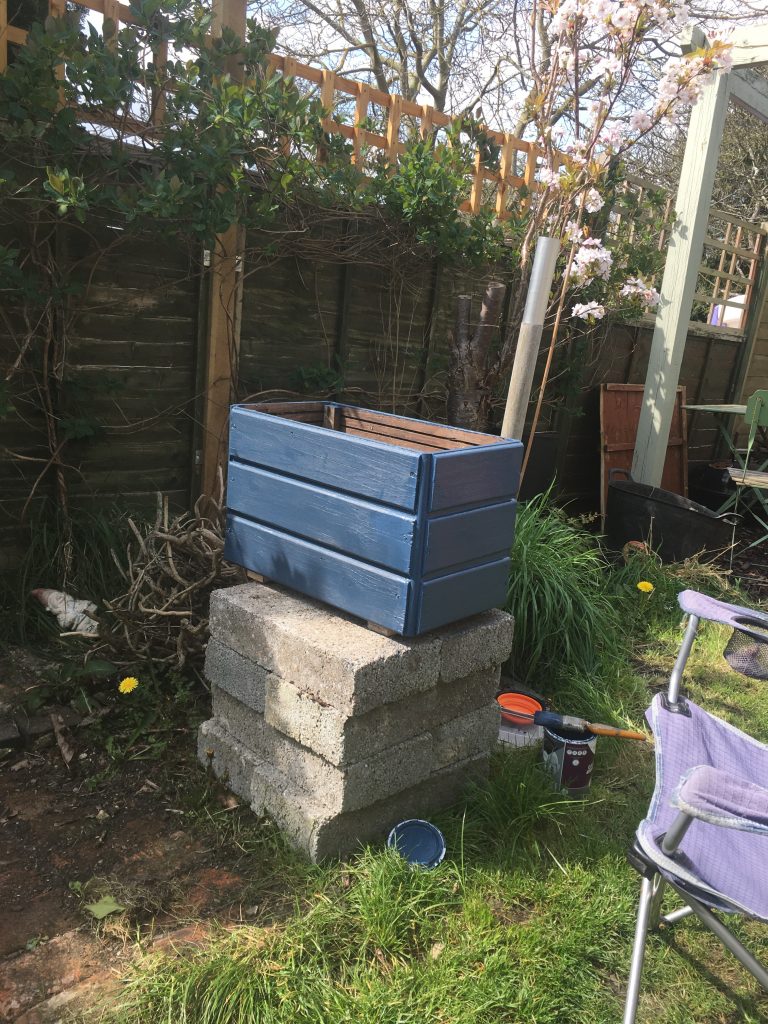
Painting the planters.

They’ve been given a double coat of outdoor paint, had drainage holes drilled (and painted, to hopefully stop or slow ingress of water!), and are lined with weed suppressing fabric, with a bit of gravel for drainage/ballast at the bottom.

We’re hoping the fabric will extend the life of the planters whilst allowing water to flow fairly freely. We’re also hoping that moving the wisteria from their pots into these planters won’t traumatise them. They appear to be growing very well!

Part way through the job of ‘installing’ stuff.

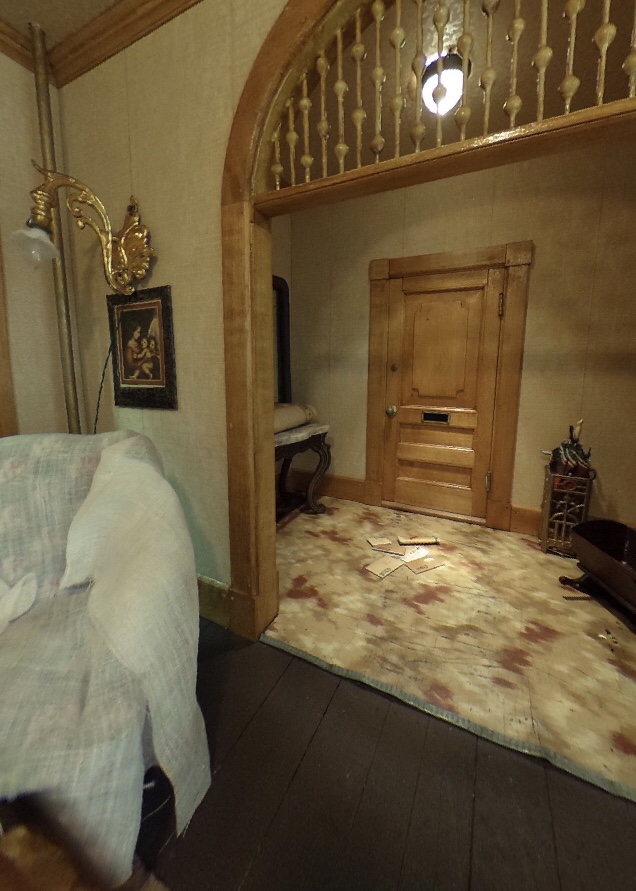
MEDiA: Grisly Dolls Houses?

An innocent enough looking scene, at first glance.

I stumbled upon Frances Glessner Lee yesterday. What an intriguing character!

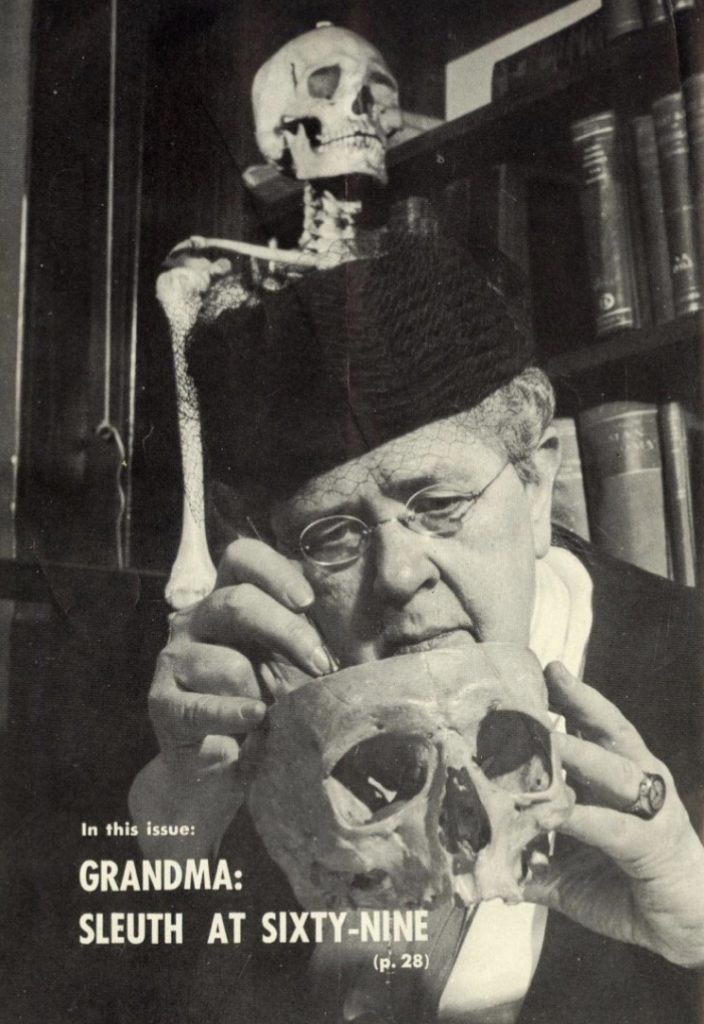
Not sure what the magazine is… great cover tho’!

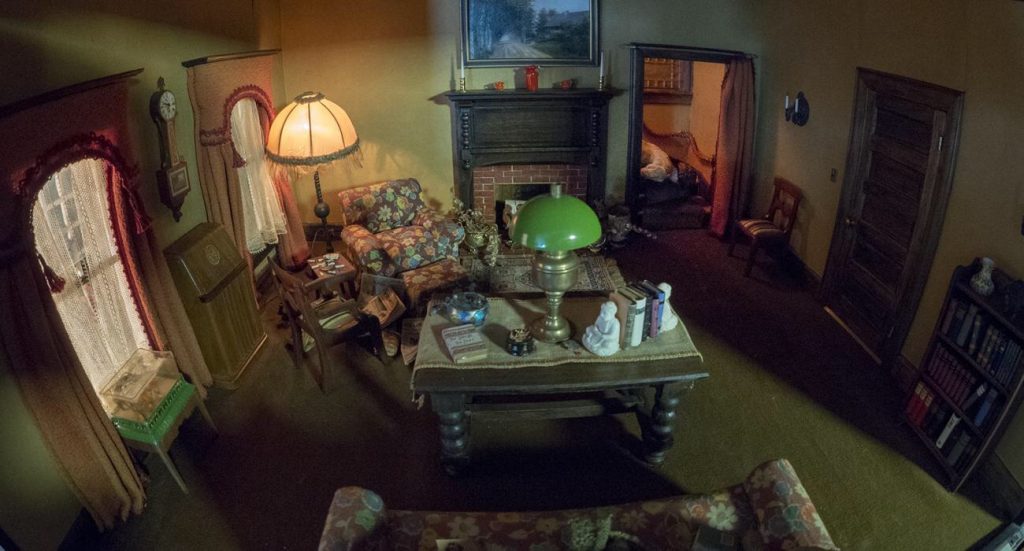
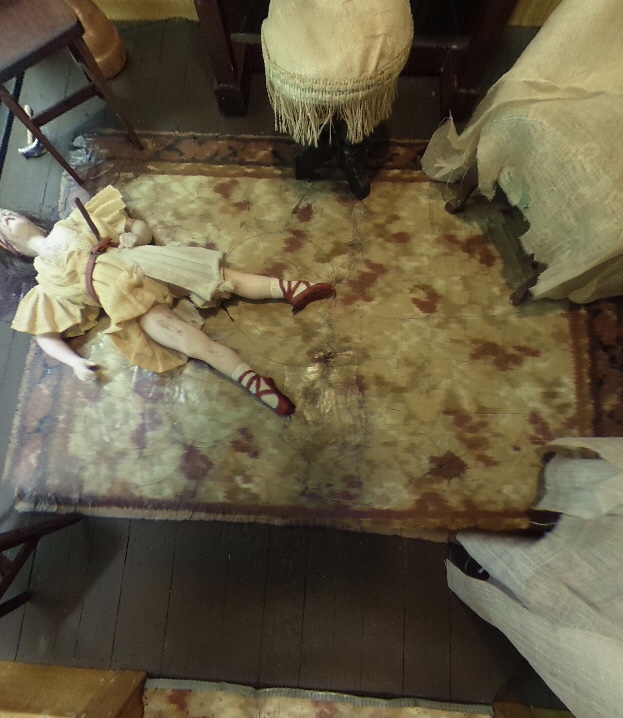
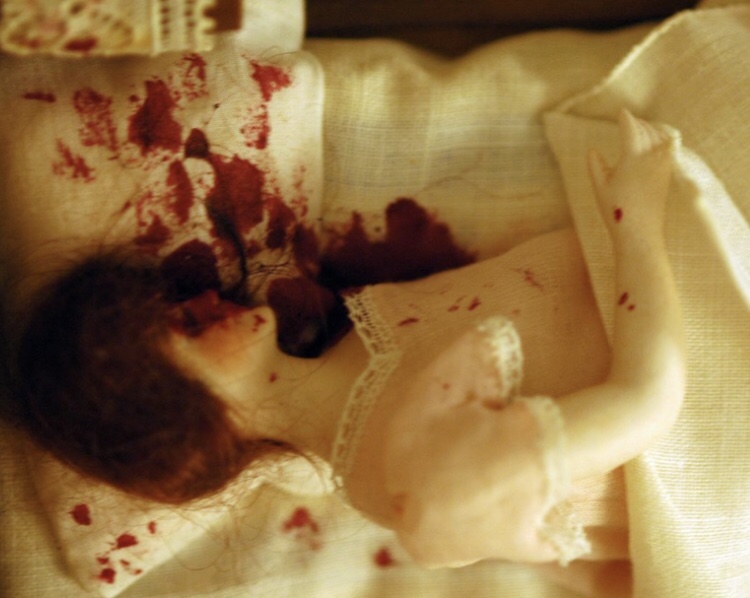
Often called the ‘mother’ of American forensics, amongst her other accomplishments she created a series of 1:12 models, beautifully realised dioramas, but very unlike your typical dolls’ house.

The attention to detail is astonishing.

Most of the images in this post were harvested via a visit here. That link takes you to a Smithsonian Institute webpage about an exhibition of Lee’s ‘Nutshell Dioramas’, which includes a short film, some 360° panoramic photos you can explore (for five of the 20 extant ‘nutshells’), a little essay on Lee’s life and works, and a photo gallery of the dioramas.

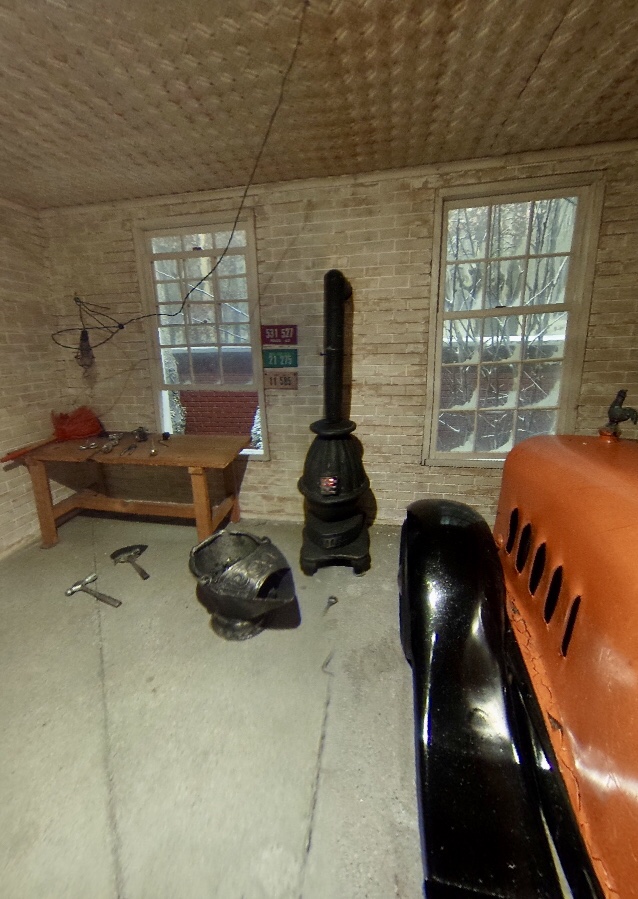
This scene is in a garage (alongside another room).

I won’t tell the stories that each of these scenarios depict. Some are murder scenes, some suicides, some ‘cause of death unknown’. You can visit other sites for that info.

I love these for how bizarre they are, combining a fascination with death/crime, and miniature modelling. They were, so the story goes, designed to help teach forensics, by giving the eye scenes to work over.

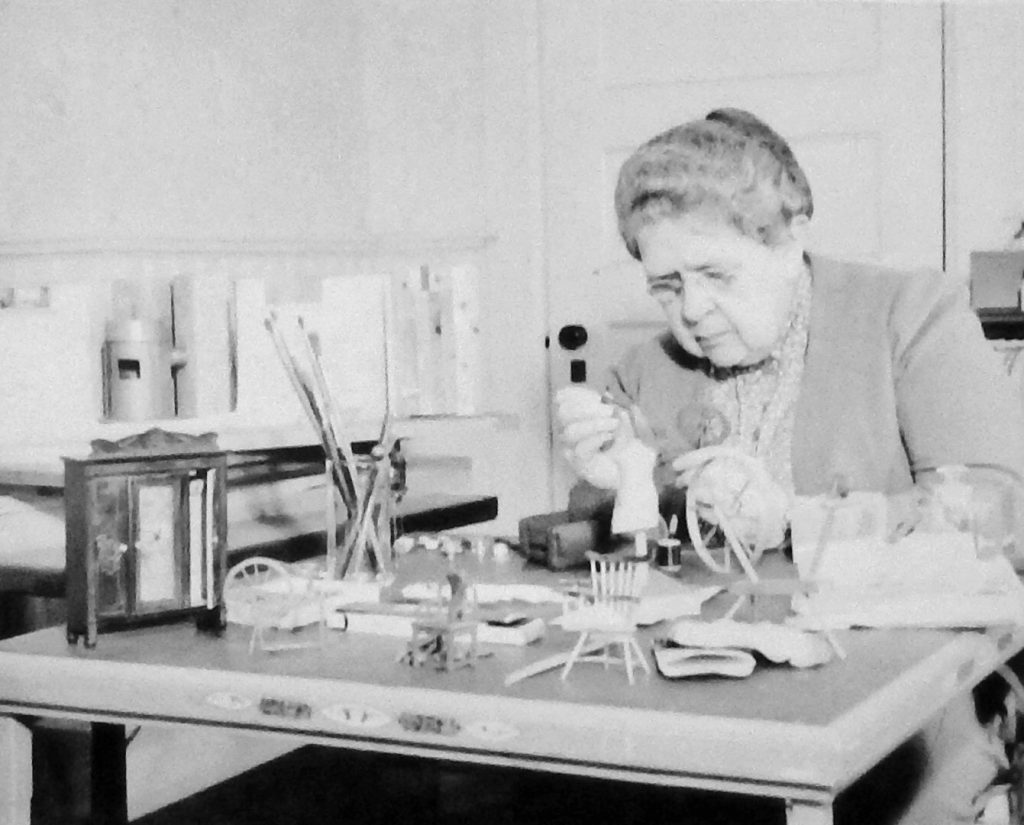
The rather dowdy creator at her amazing work.

As the photo of Lee at work shows, she built these herself. I believe she also had help from some others. For example her carpenter helped with the manufacture of certain wooden components.

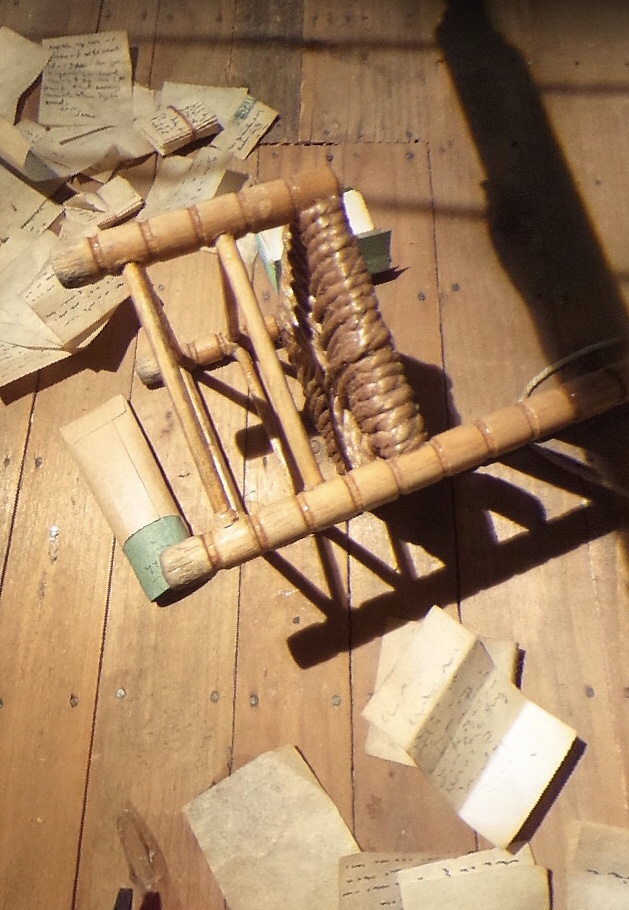
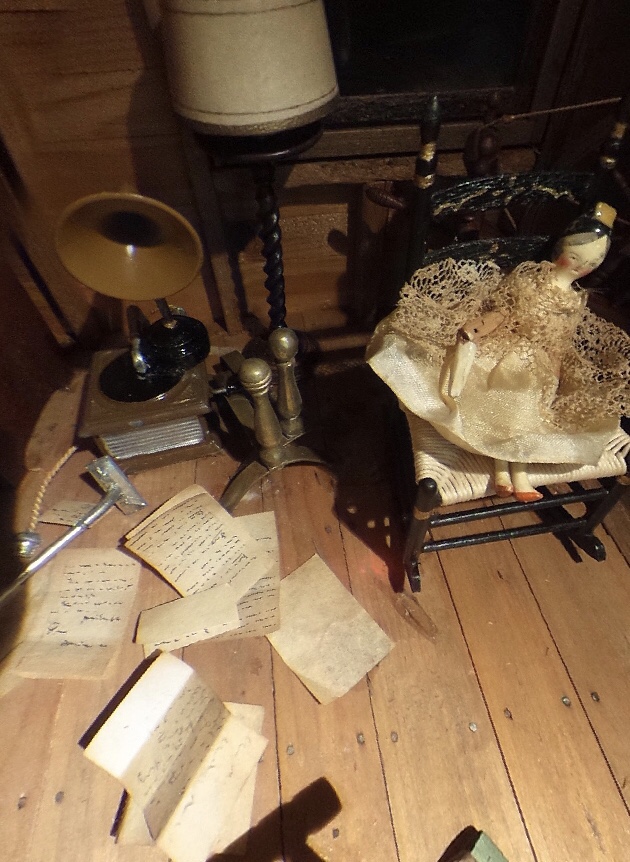
Gramaphone, fire-dogs, rocking chair, doll, lamp, letters…

The detail is, as I hope my selection of images shows, pretty extraordinary. Once again, these recreations of actual historical scenarios differ from the chintzy fantasies of the more normal dolls’ house in that they depict real life, or rather death, in genuine domestic environments.

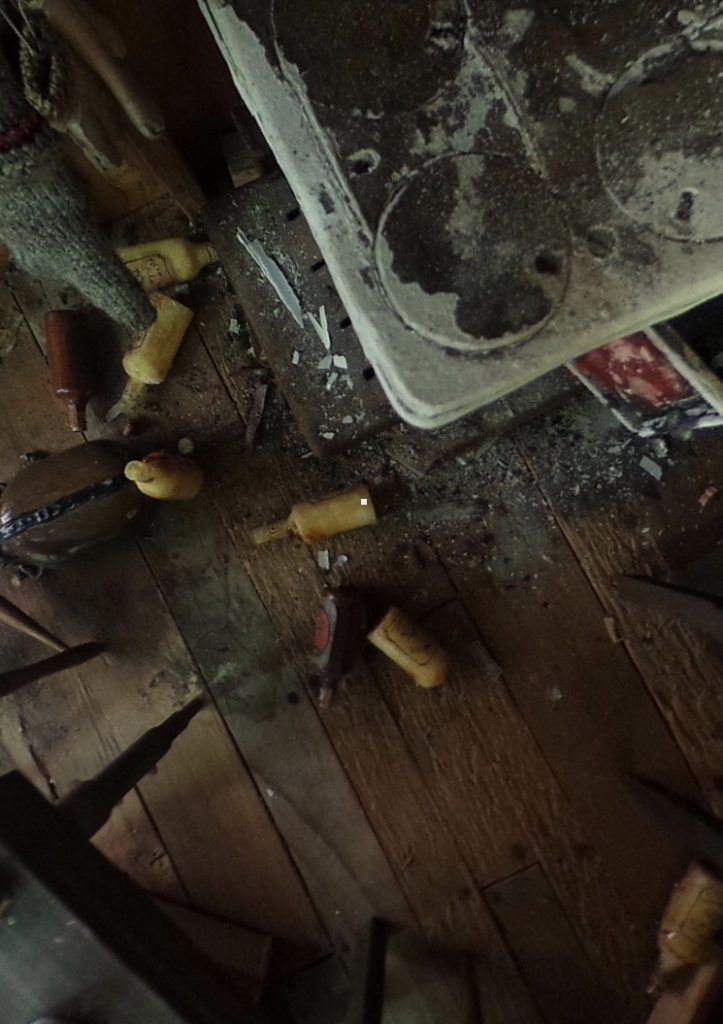
A messy scene in a shack.

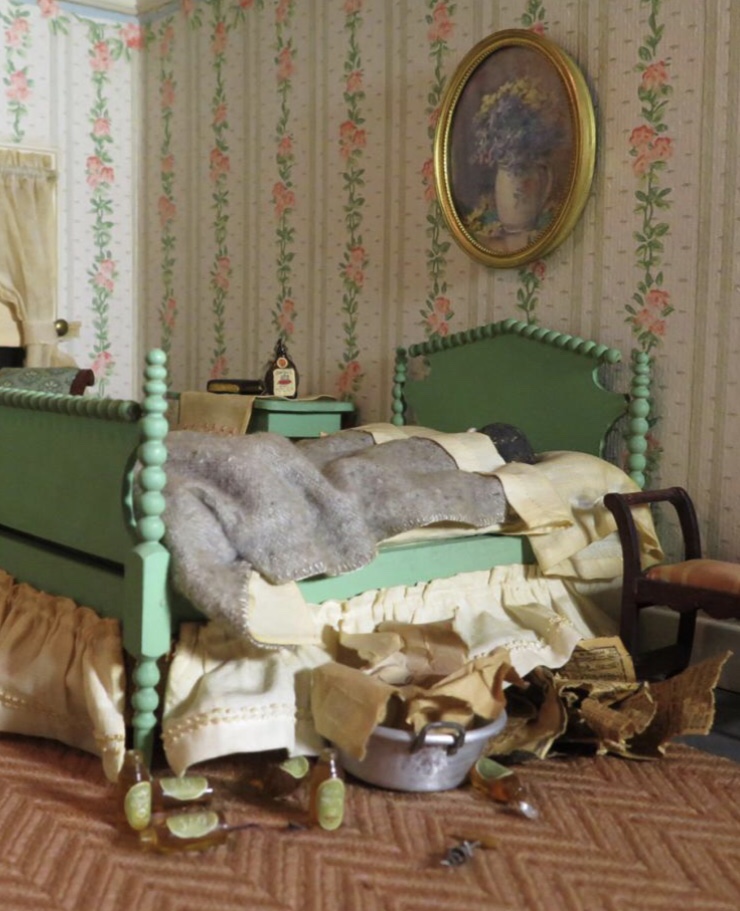
The detritus of everyday lives is often to be seen littering scenes: empty booze bottles, scattered paperwork, clothes and furnishings not curated for display, but in a more private disarray.

Note all the empty bottles by the bed.

But even the stuff not associated with the demise of the bodies – and all these scenes include the dead, despite my focus on other aspects of the scenes – is lovingly rendered in terrific detail. We can see specific books, newspapers and magazines, and the interior scenes range from a rough ‘n’ ready log cabin, or a wooden shack, to a pretty large and swanky garage; from flophouses to middle class lounges.

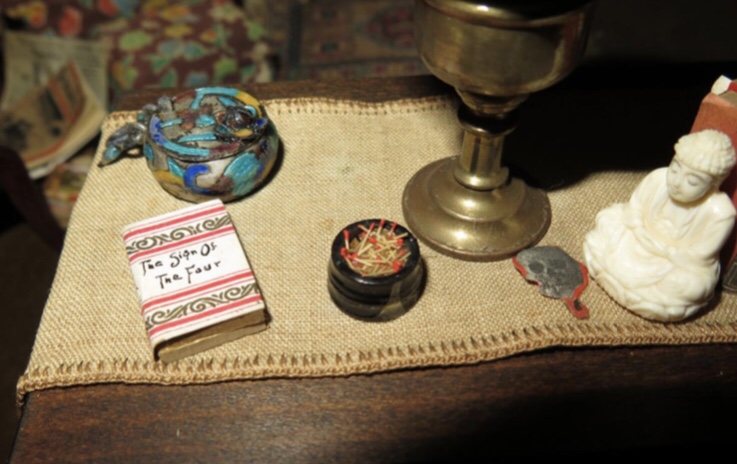
A Sherlock Holmes novel, matches, and a Buddha.

I love models and model making. I always have. And I have a definite soft spot for oddball or artsy takes on the making of miniature worlds. France Glessner Lee’s Nutshell’s definitely meet these criteria!

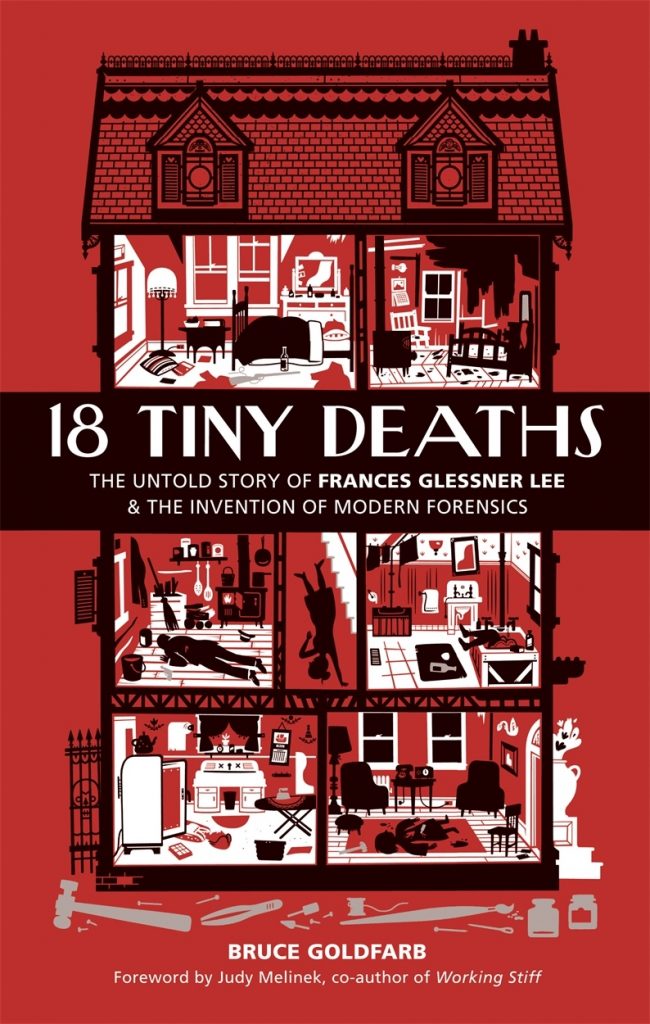
I’d like to get/read this, at some point.

There are one or two books on her, and these fascinating works of hers specifically, which, in the fullness of time and funds allowing, etc, I’d love to check out.

Here’s a full list of her mad little models:

• Attic (24 December 1946)

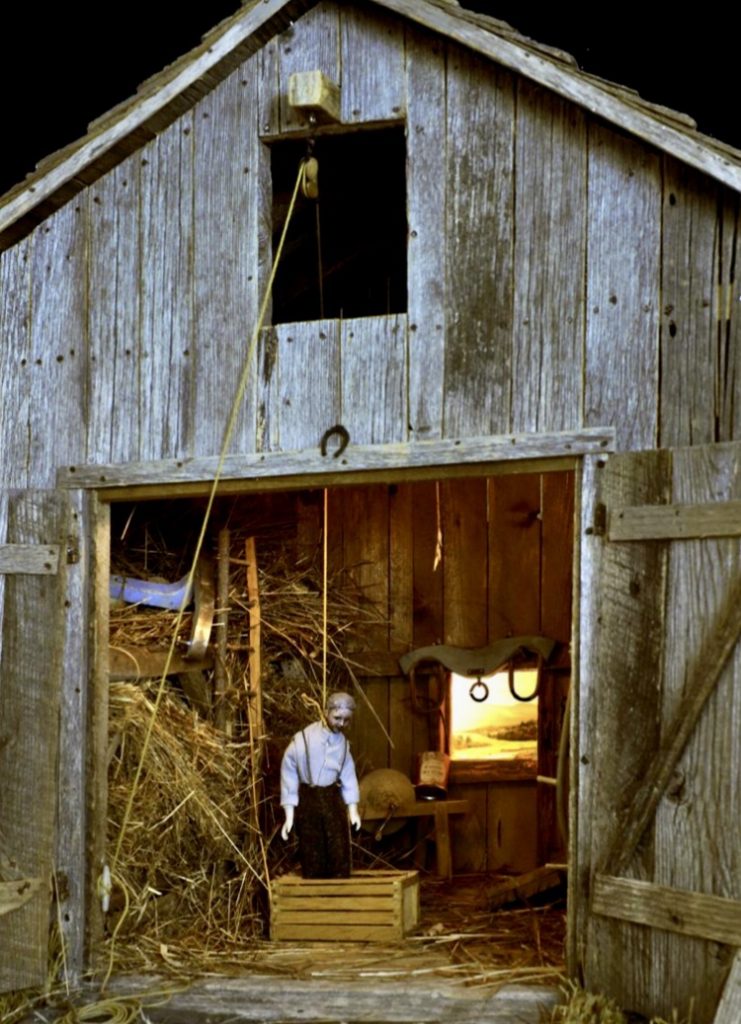
• Barn (15 July 1939)

Barn – Rather macabre!

• Blue Bedroom (3 November 1943)

• Burned Cabin (15 August 1943)

• Dark Bathroom (November 1896)

• Garage (7 January 1946)

• Kitchen (12 April 1944)

• Living Room (22 May 1941)

• Log Cabin (22 October 1942)

• Parsonage Parlor (23 August 1946)

Parsonage Parlor – the prim gentility of this lobby…
… doesn’t quite prepare one for this scene!

• Pink Bathroom (31 March 1942)

• Red Bedroom (29 June 1944)

• Saloon & Jail (12 November 1944)

• Sitting Room & Woodshed (25 October 1947; thought lost and rediscovered in 2003[11])[6]

• Striped Bedroom (29 April 1940)

• Three-Room Dwelling (1 November 1937)

Three Room Dwelling – One of the bloodier scenes.

• Two Rooms (damaged or destroyed in the 1960s)[12]

• Two-Story Porch (5 April 1948)

• Unpapered Bedroom (4 June 1949)

• Woodman’s Shack (8 February 1945)

HOME/DiY: New Letterbox Flaps

Ta-dah! As I find myself saying these days…

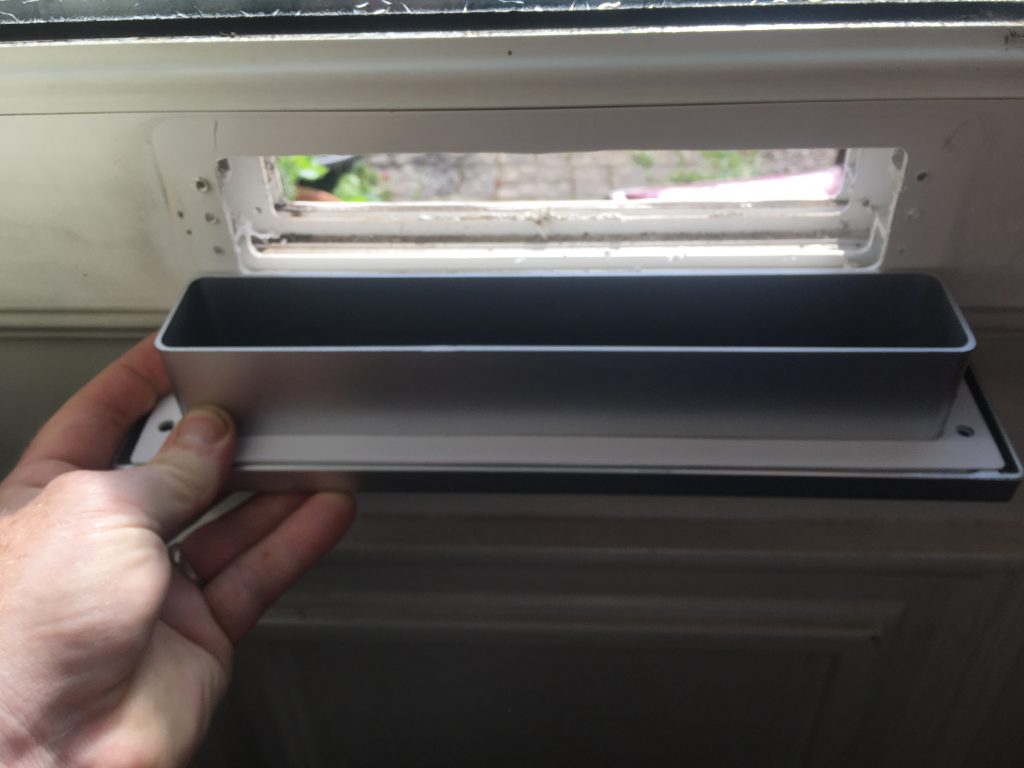
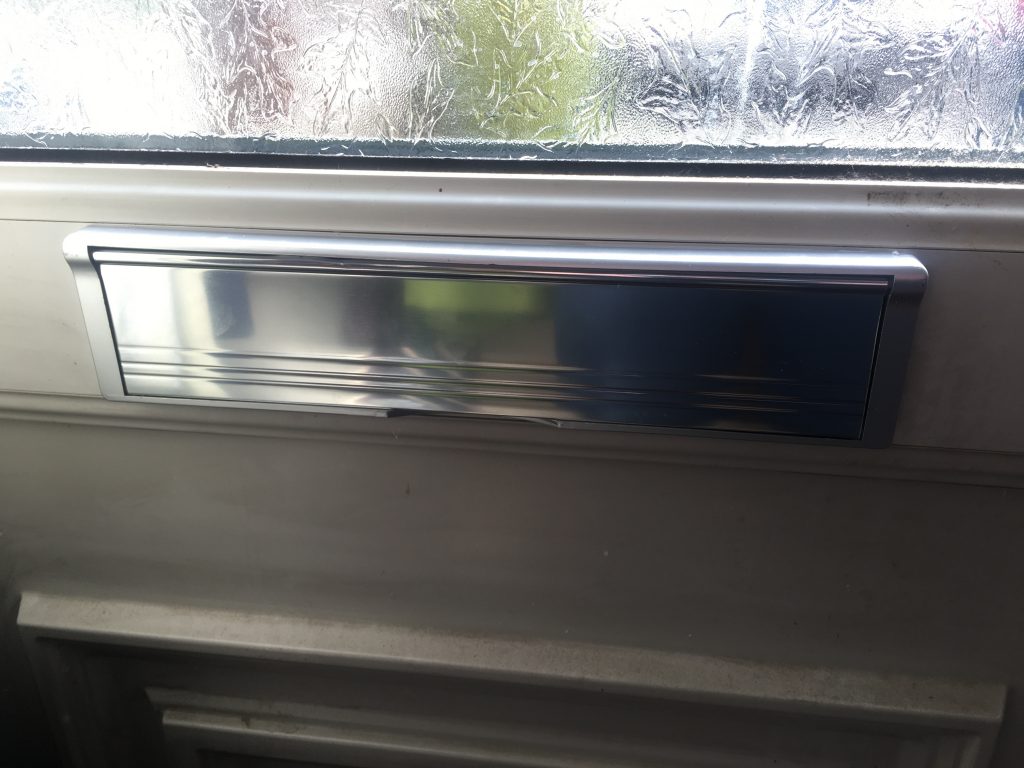
Amazon Vine have provided us with a free letterbox set. Which is great, as our old one broke years ago. And I haven’t, until now, felt like replacing it.

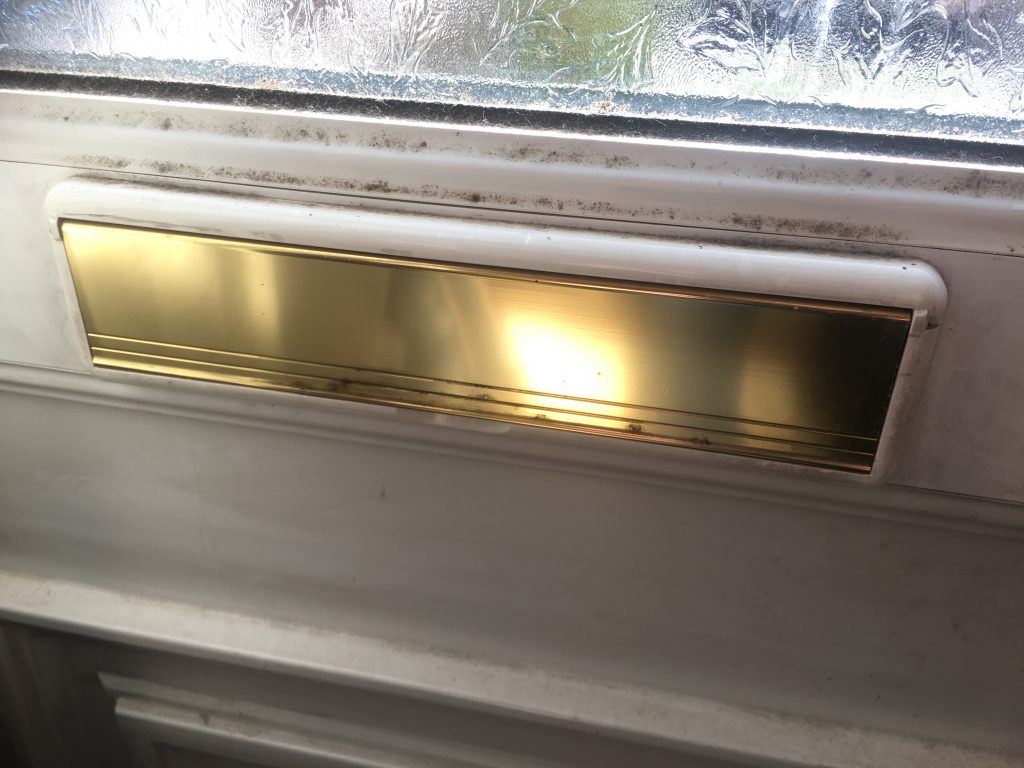
The indoor before.

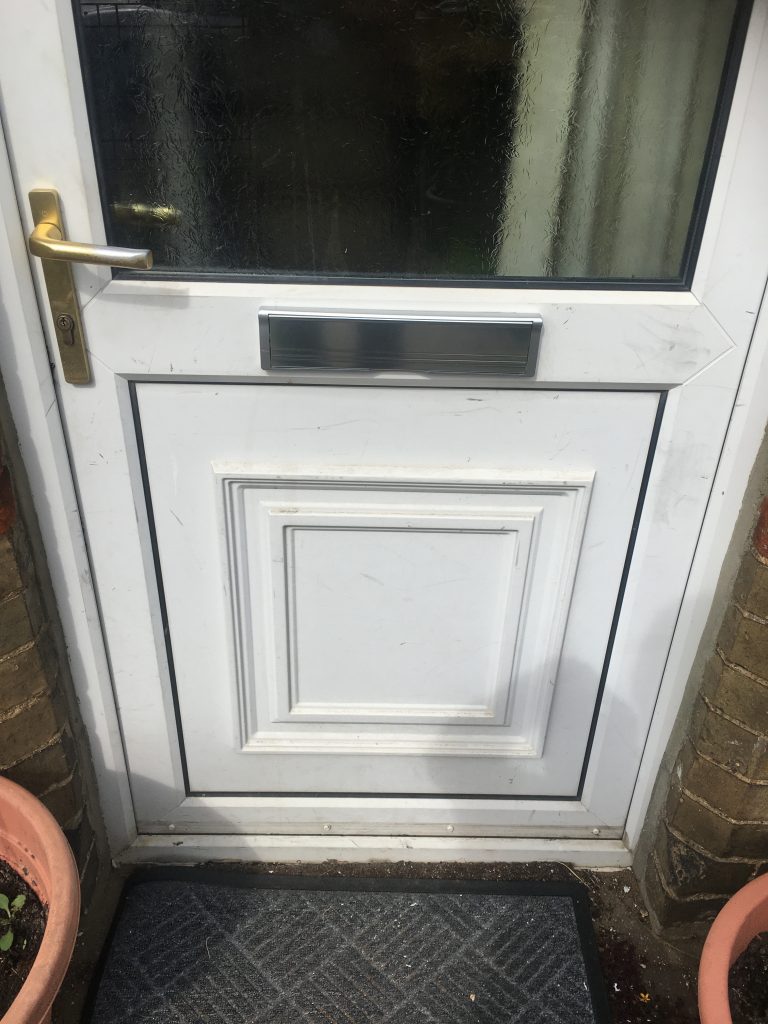
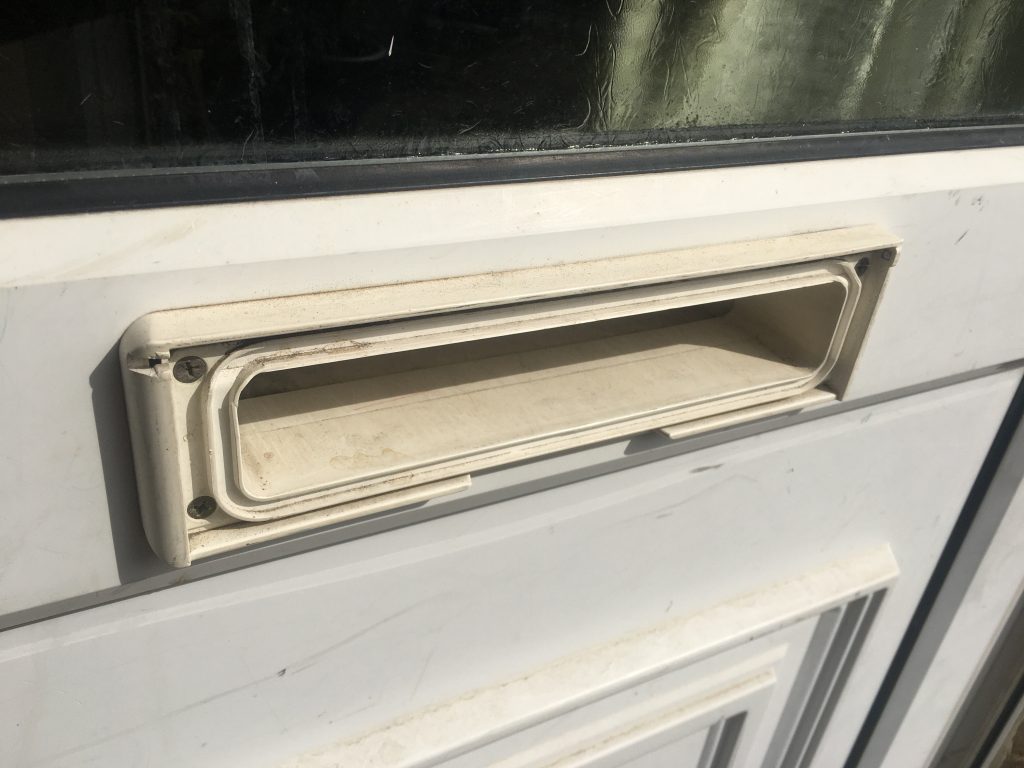
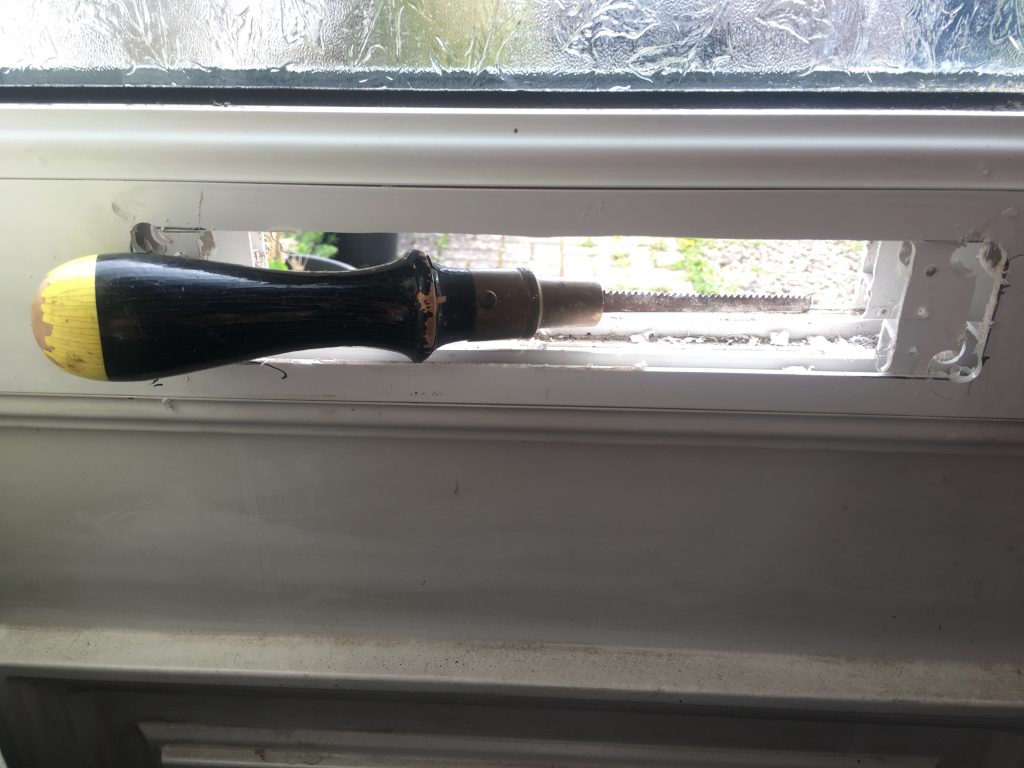
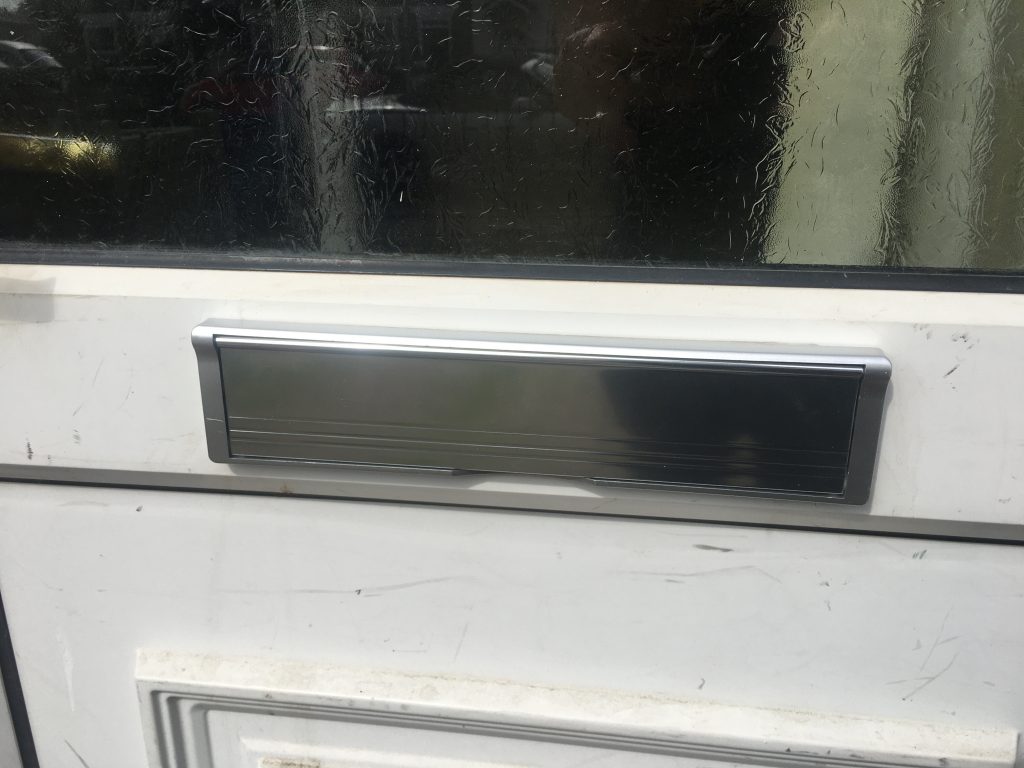
The old one was ‘brass effect’. This new one is a silvery aluminium type colour. It’s also bigger than the one it replaces. So I had to drill and cut out a slightly wider aperture, to accommodate it.

The outdoor before, sans flap!

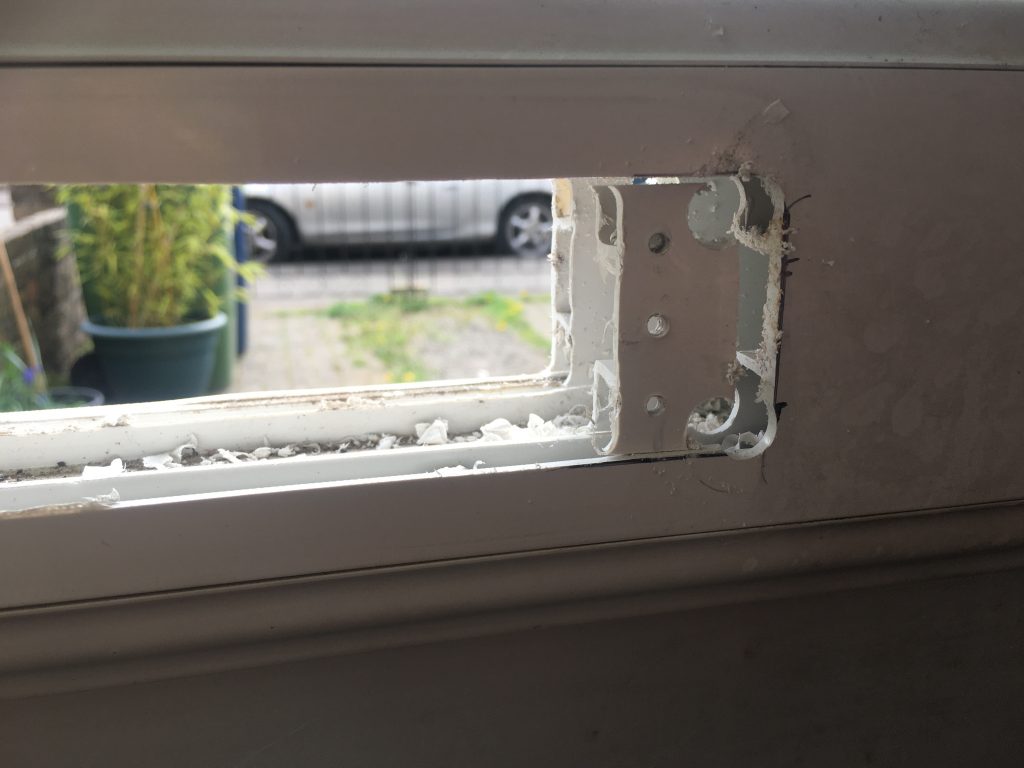
I was able to reuse the self-tapping screws – 10 in all – from the previous installation. it was a learning experience. As I e never done ‘owt like this before. And though I loathe it, as a material – aesthetically, primarily – the UPVC was, thankfully, easy to work with.

New one is bigger than old one…
Necessitating drillage and cuttage…
UPVC, hideous perhaps, but very workable.

The door itself is, to my mind/eyes, hideous. And it’s old and tatty. But at least it’s a little less tatty looking now! I guess I should give it a quick wash. Later, perhaps?

How she’s looking from inside now…
… and a closer outside view.

Well, I’m happy enough with this little job. Teresa’s been off this week, but is in Cambridge today doing a half day of training at her workplace. Bummer! But it does mean I can do one or two things like the letter-flaps.

Time for a well earned cup of tea now, and a few more pages or chapters of Cowboy Song, the really rather excellent Phil Lynott biog’ I’m currently reading.

FiLM REViEW: A Bridge Too Far, 1977

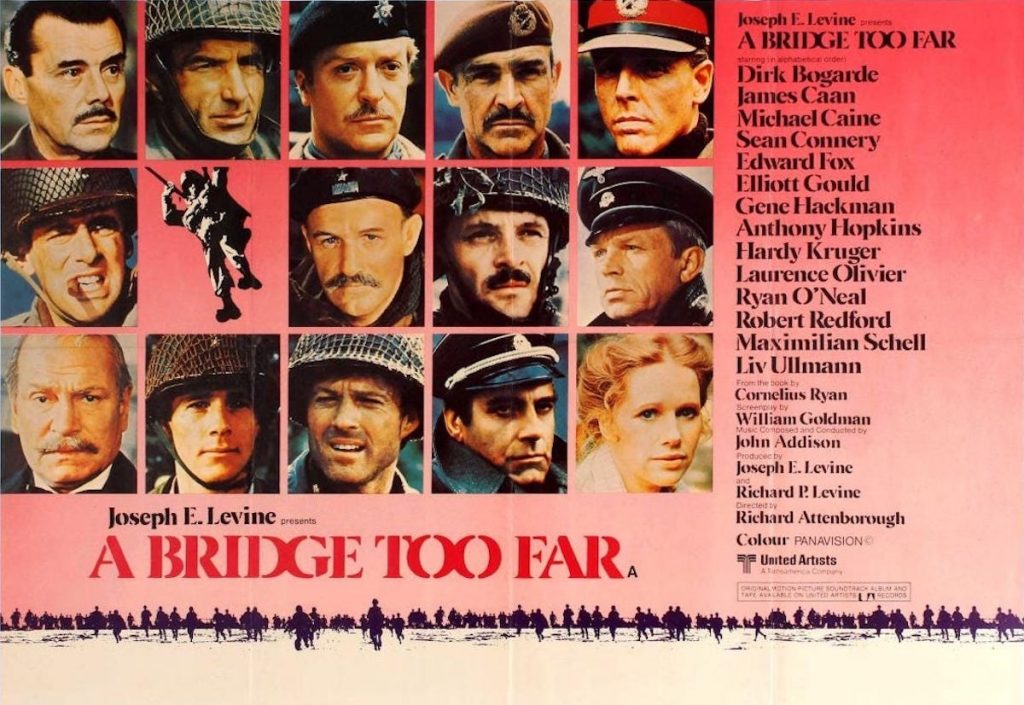
This period poster draws on the star studded cast’s appeal!

Described by American film critic Roger Ebert as ‘the longest B-grade war movie ever made’, this film is clearly intended to be on a par with another Cornelius Ryan adaptation, The Longest Day.

And in some respects it is. It’s certainly an epic production. But when Ebert’s critic buddy Siskel describes it as not much more than ‘a parade of famous faces’, we can be fairly sure that some who saw this weren’t too impressed.

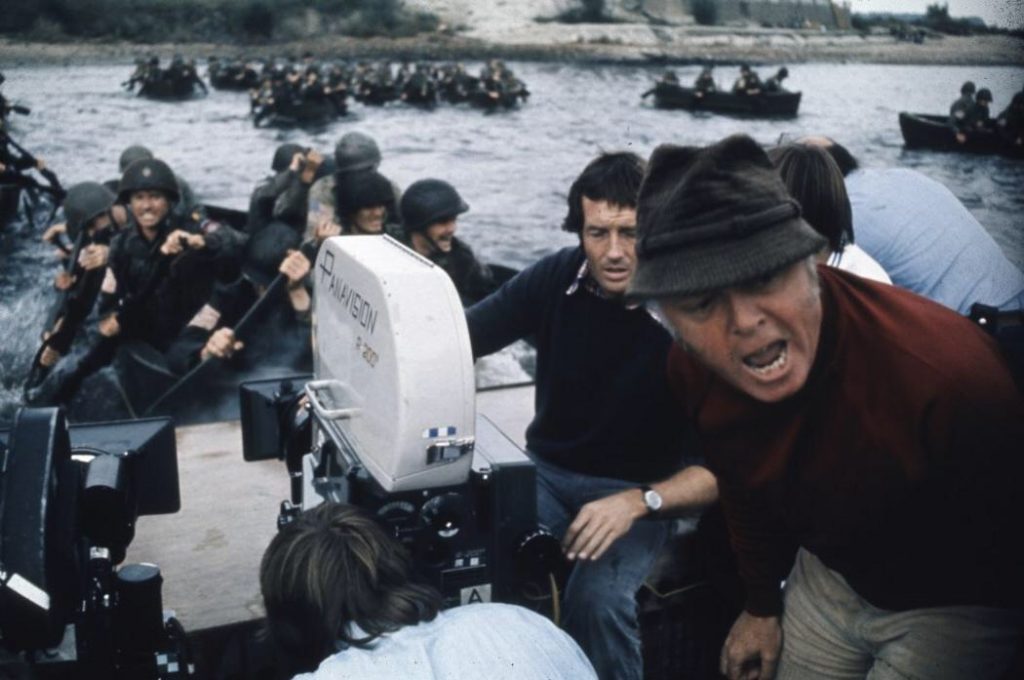
Attenborough directs Redford’s river crossing.

Directed by Dickie Attenborough, I can see why some folk find it less than 100% satisfying. It’s length – and it is very, very, very long – could be a strength. But for those who don’t like it, it might feel like an interminable drag. Although I very much do like it, and have watched it many times, I have nonetheless often found myself drifting off at points.

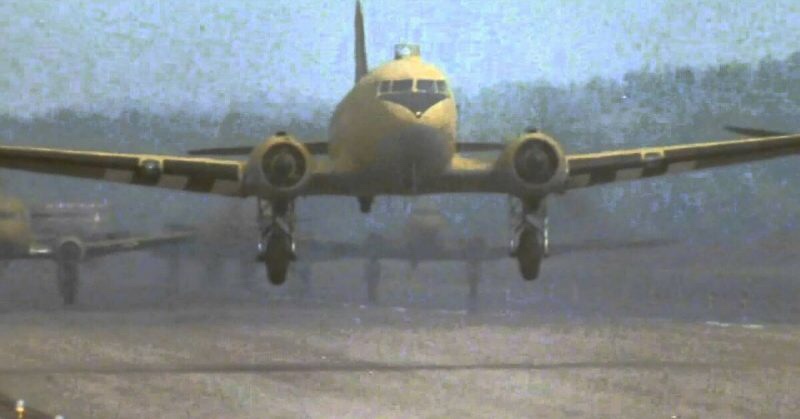
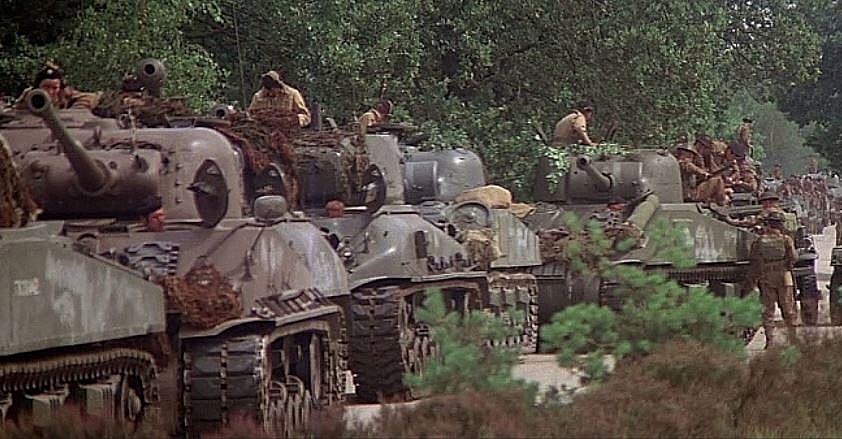
They didn’t stint on the matériel aspect…
… in the air or on the ground.

Having started with quite a critical over view, let’s get into what’s good about it. For starters there’s the sheer scale of the production. In a pre CGI works, such epic productions really are a special thing, to be treasured.

Yes, ‘rivet counter’ type buffs will carp at the wrong or badly faked materiel. But, frankly, this isn’t the worst offender in terms of WWII movies. Nowadays it’s become easier to either fake real vehicles, or use CGI. But ‘back in the day’ it wasn’t necessarily so easy, or – in truth – always deemed important enough.

It’s clear that efforts were made. But not enough satisfy those who know their SdKfz’s from their PzKpfw’s! I’m a WWII military history nut/buff, but I’m prepared to hold the pedantry beast in abeyance and give older movies more leeway.

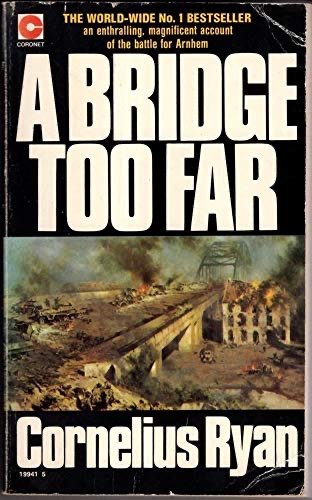
This was the edition of this book I had/read as a kid.

Whilst The Longest Day was shot in black and white, A Bridge Too Far is in colour. But they share not just epic proportions and Cornelius Ryan books as their basis, but also great stirring scores, terrific star-studded casts, and a desire for accuracy that includes having the right languages spoken, with subtitles.

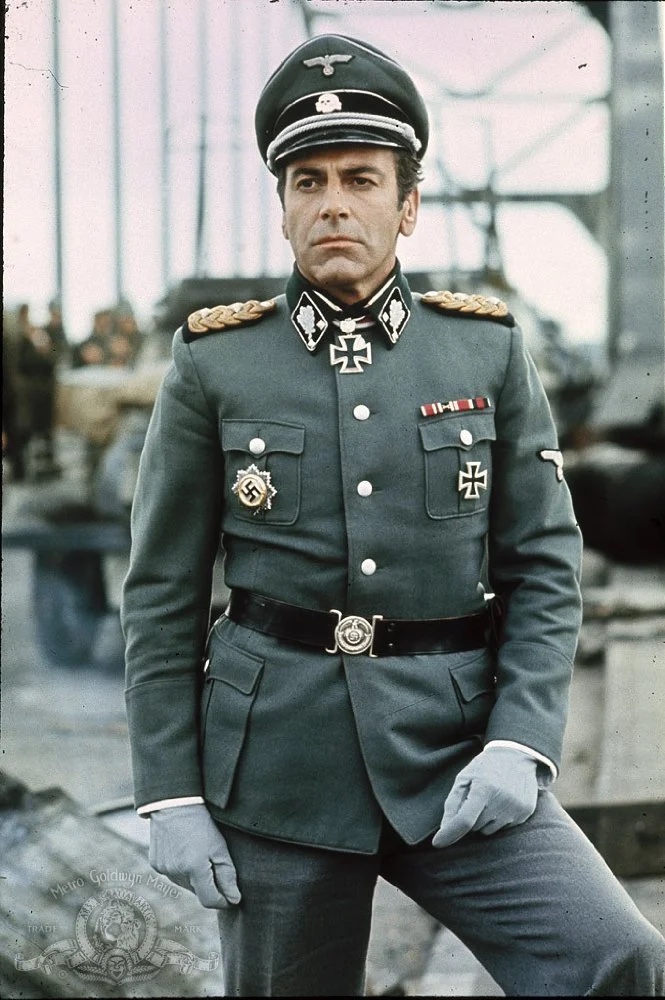
Maximilian Schell as Waffen SS Gen. Bittrich.

Feldmarschal Model is portrayed as a self-important buffoon, with some of his subordinates chafing under his pompous complacency. How accurate this is I have no idea. Amongst the English brass there’s a preponderance of whiskers and clipped toff accents. The Yanks are, predictably, sceptical of Monty’s plans, and, for the most part, gruff no-nonsense ‘balls out’ tough guys!

This can reach almost comically cartoonish dimensions, as with Elliot Gould’s fun but faintly irritating cigar-chomping Col. Stout, based on Col. Sink, of Band of Brothers fame!

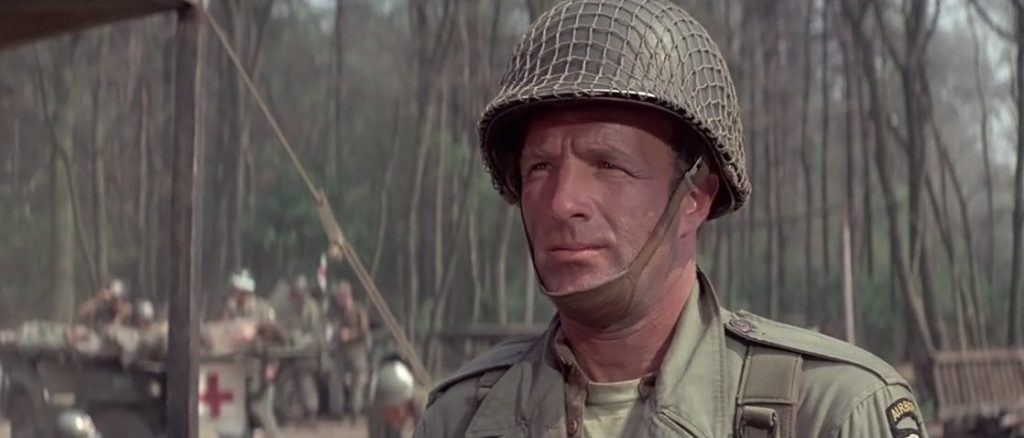
James Caan delivers a strong performance as Sgt. Dohun.*

Most of the actors acquit themselves admirably. The only real clangers, for me, are the aforementioned Gould, and Gene Hackman’s Polish Maj. Gen. Sosabowksi, whose accent is bizarre, coming off more Brooklyn than Bialystok!

Making a war film of this type is, I suspect, much much harder than most would imagine. Trying to balance a grand overview with the nitty gritty details, weighing historical accuracy against dramatic and entertainment considerations, and so on.

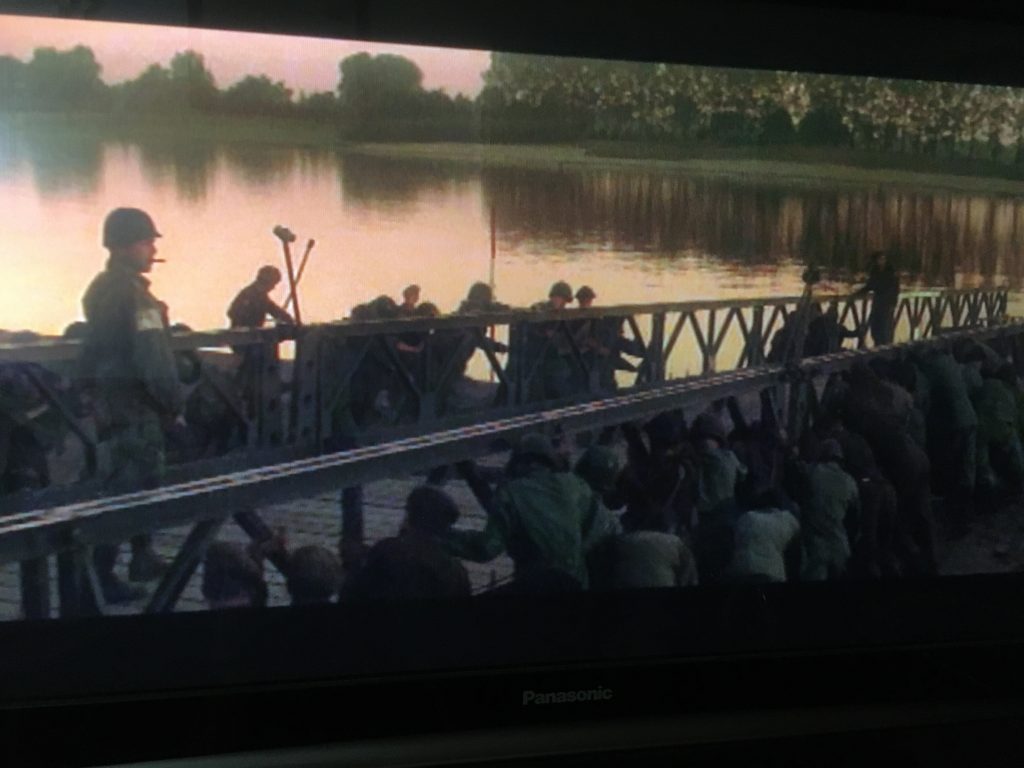
This scene is rather beautifully shot!

War is – according to many testimonies – largely boredom punctuated by brief but intense moments of terror. And the need for exposition can make ‘leadership scenarios’ seem rather leaden.

And then there’s the logistical stuff, both that required to make the movie, and the stuff depicted, such as the Bailey bridge building scene, and the build up to Maj. Cook’s crossing of the Waal, to take the Nijmegen bridge.

Personally the more I see this film, the better I think it is. Sure, it’s not perfect. Very little is. But it is epic, exciting, sometimes funny, sometimes moving. Definitely a film worth watching.

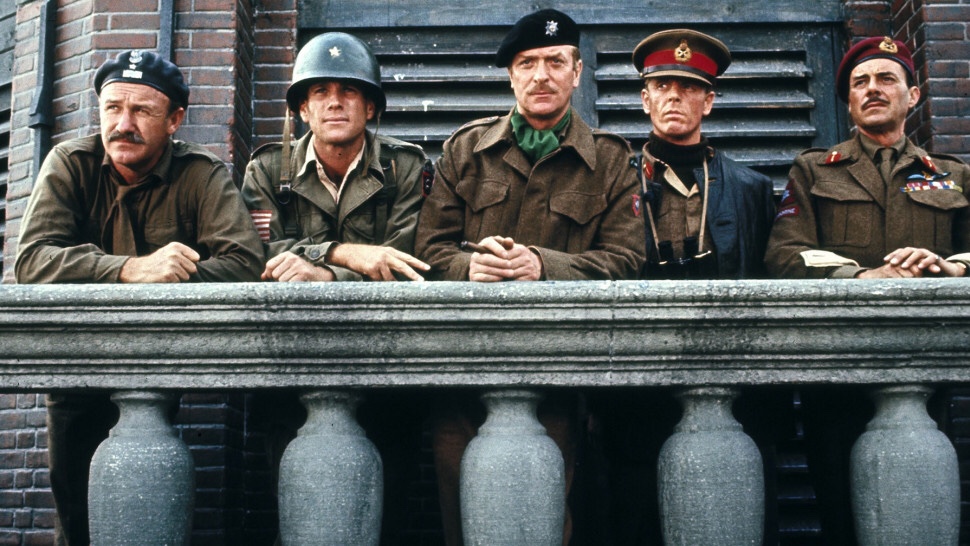
Hackman, O’Neal, Caine, Fox and Bogarde. Just five of the many featured stars.

* Interestingly this rather colourful episode is allegedly based on real events. Although the exact details aren’t altogether the same in real life as they are in the film, it makes cracking good film entertainment! For the real story, try this link.

Here’s another interesting link, with some nice production photos. And this one is very detailed, with plenty of pics and lots of info’, inc. a link to a comparison of actors with the characters they portray.

HOME: Fishtank/aquarium stuff…

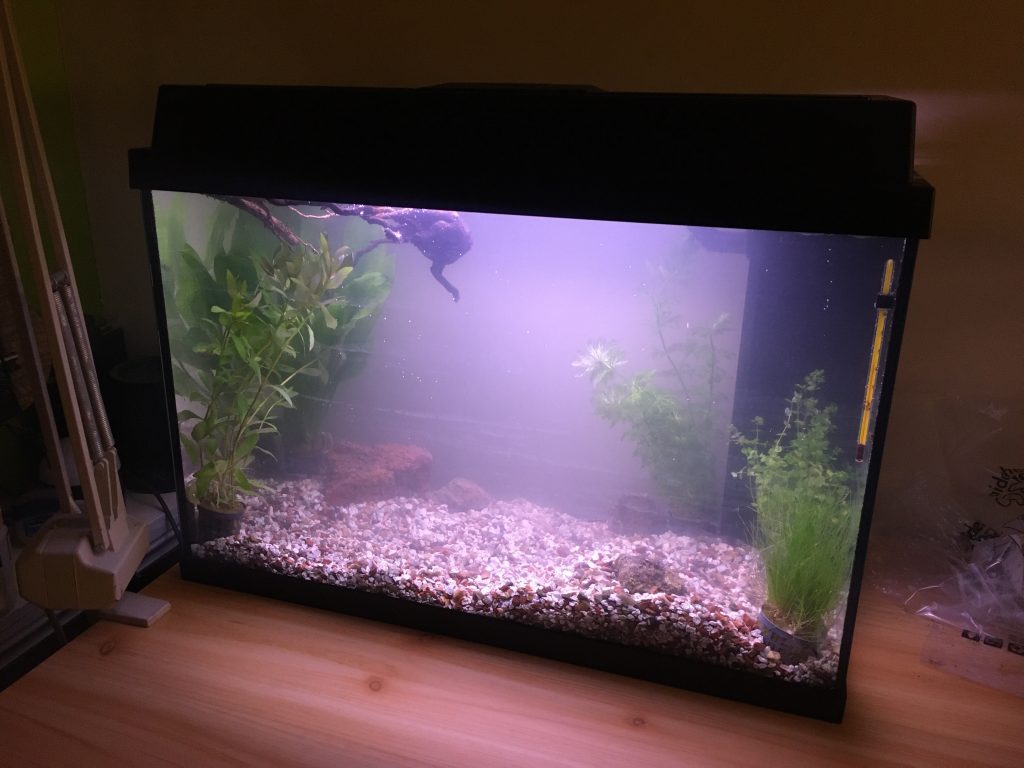
Ta-dah! (No fish as yet.)

I drove to Fulbourn, Cambs, today, to collect a free aquarium. The weather was sublime. So I drove top down. Gorgeous! Sometimes it feels great just to be alive.

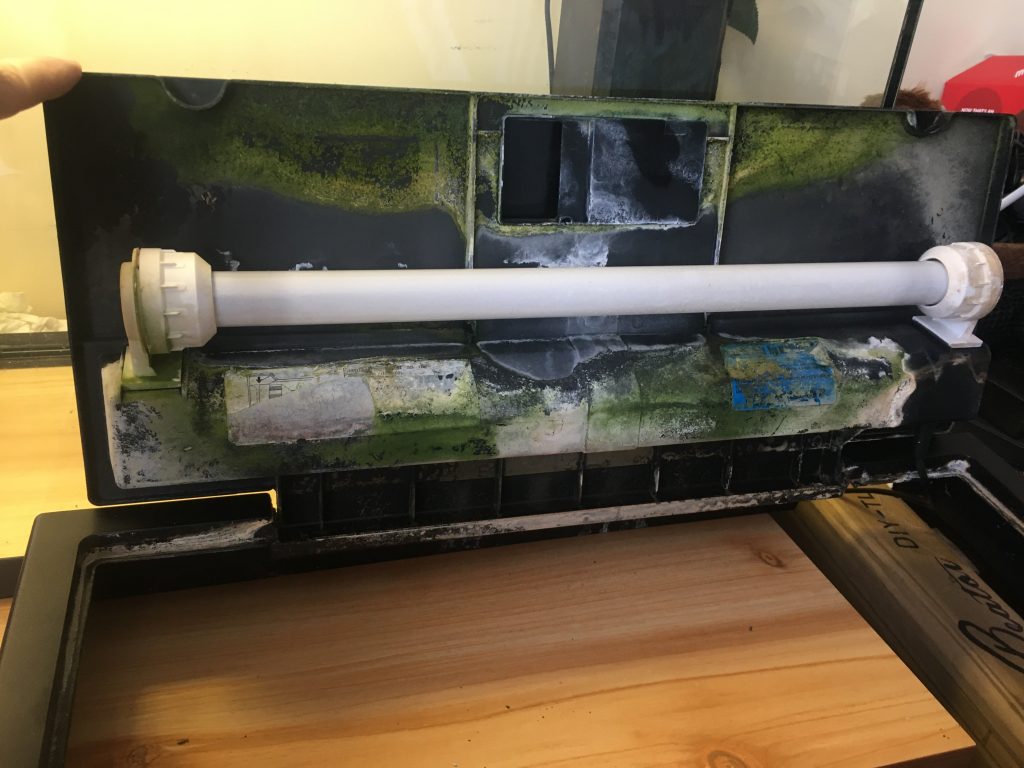
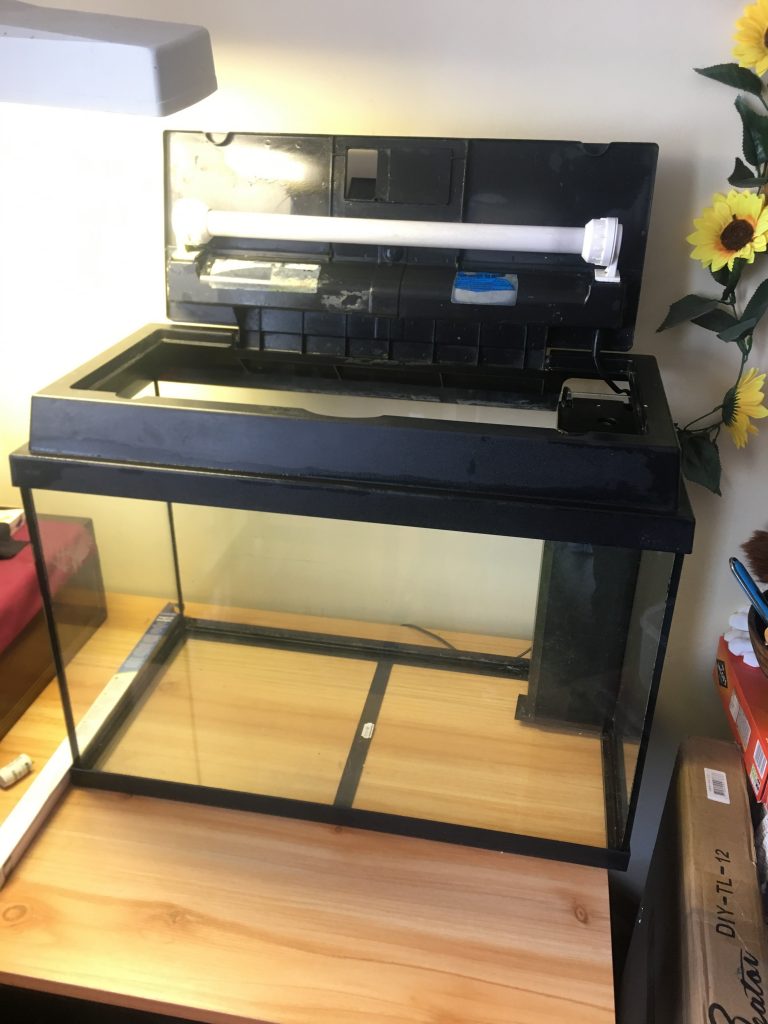
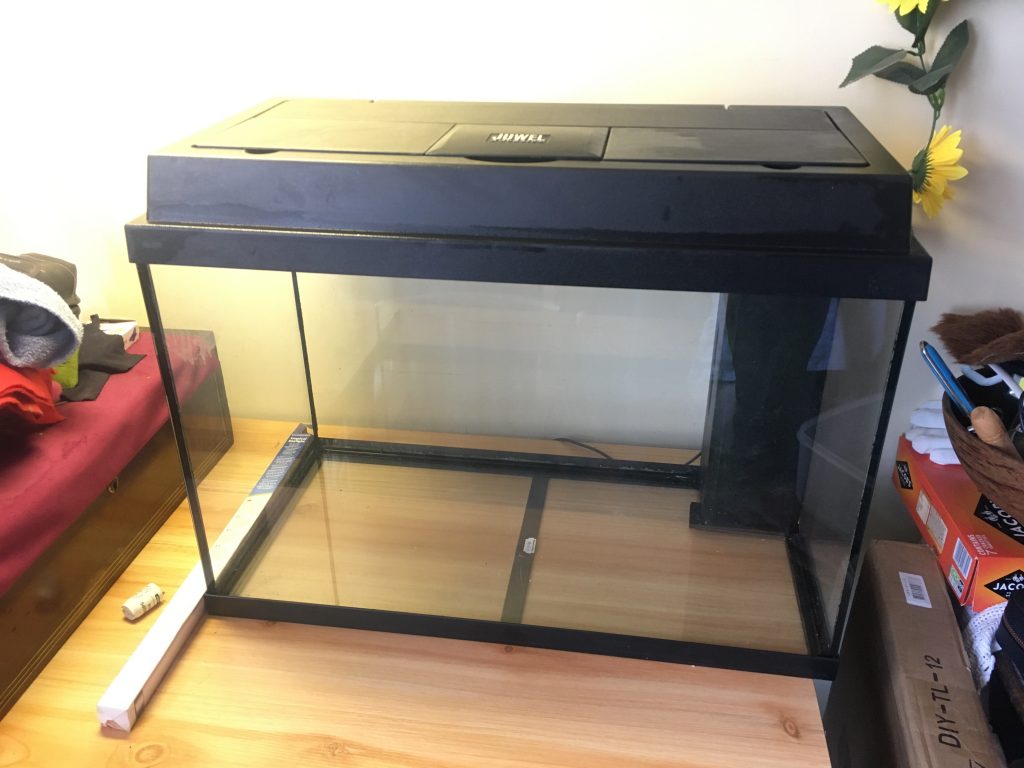
The guy giving away the aquarium, via Freecycle, was a thoroughly decent chap. Dave gave us not only the aquarium itself (a 70l capacity job) but also a bag of gravel, a thermometer, a spare bulb, and – oh frabjous day – it came with an integral filter/pump system.

A ‘before’ type cleaning shot.

I spent about an hour or two cleaning the tank, the lid/pump, etc, and even washing the gravel (three times!). I then put the gravel in, followed by the water.

An ‘after’ shot.

Time and energy allowing, we’d like to visit an aquatics shop later, to have a gander at potential stock. We’re thinking two goldfish. We’ll also need to learn a bit about maintaining the right conditions, and generally looking after wee little fishies!

Ah, me, what fun!

Lid down, all cleaned!

After doing/writing all of the above, we did indeed get out, to Maidenhead Aquatics, on the edge of Peterborough. We asked a few questions, and bought five real plants (plastic ones are very dear!). Once home these went into the tank, along with a few rocks and a couple of knotty root type bits of wood.

We hope the plants will last a decent while? The rocks are fine, obviously. The wood? Well, it’s currently a-floating, as wood does. Maidenhead Aquatics advised that we let the water stand a full week afore introducing fish.

Patience is hard!

FiLM REViEW: Frankenstein Created Woman, 1967

Love the title font!

Teresa chose this from her Hammer box tonight. What fun it was! Completely ludicrous, as you’d expect from Hammer. But a rather wonderful and nostalgic form of batsh*t crazy!

The face of Hammer horror!

Peter Cushing is solid and reliable as the gaunt bony-cheeked Baron, and Dietlinde Ortrun Zechner, better known to history as Susan Denberg is bodacious as Christina Kleve.

This would be the former Playboy centrefold’s most challenging acting role; starting out as a physically disfigured barmaid, before the Baron ultimately reanimates her, post-mortem, as a psychotic sex kitten with a split personality!

Christina Kleve mit ein cleaver!

The plots of films like these are hardly worth the effort of synopsising, as they are so formulaic and silly. It’s all good clean sex’n’horror-sploitation fun!

But I suppose aorta at least have a stab (groans). The film starts with young Hans seeing his papa guillotined. Later in life Hans is working for Doc Hertz and Baron Frankincense.

Like many Hammer movies, it’s set in some German locale.

At a local tavern, Kleve, the patron, his daughter Christina, and Hans, become embroiled in troubles with three toff oiks, the upshot being Kleve’s demise, for which Hans is blamed.

Hans is guillotined, like his ol’ dad, this time with Christina as witness. She tops herself, alowing Baron Frankenfurter and doc Hertz to put Hans’ soul in Christina’s body.

Hans goes the way of his farter…

And to add some spice to the sauce, the diabolical duo perfect the formerly flawed Christina. Physically, at any rate. Alas, the dual residency of Hans’ and Christina’s tortured souls doesn’t pan out so well.

Denberg mit Spock!

There are many familiar faces (I recognised Denberg from Star Trek!), such as Peter Thorley as Doc Hertz (who looks like the perfect Geppetto to me!), and the trio of toff villains, Anton, Johann and Karl (Peter Bythe, Derek Fowlds and Barry Warren).

A nice photo taken during a break from filming.

In a bizarre ‘crisp of fate’, given the plot of this movie, in real life, apparently, actor Barry Warren would later change and live out last five years of his life as a woman!

Doing some mad blasphemous science!

I’m not sure why these silly old movies are such nostalgic fun. But they really are. They’re kind of awful in many ways. But I love them. The technicolour, the hammy acting, the formulaic clichés – from characters to scenarios – and yet they’re just so much fun!

Hammer did a sexy promo photo shoot…

… but this ‘scene’ was never actually part of the film. ‘Twas always just a saucy means of getting the film noticed. Methinks it works!

Christina about to serve up revenge to Karl.
The Baron gets hands on with his creation.

With rather hilarious irony, Wikipedia describes this movie thus:

‘Where Hammer’s previous Frankenstein films were concerned with the physical aspects of the Baron’s work, the interest here is in the metaphysical dimensions of life, such as the question of the soul and its relationship to the body.’

Denberg’s Playboy shoot brought her to Hammer’s attention.

Technically speaking this is of course true. But of course the very alluring physicality of Denberg as Christina also has a compelling part to play in this movie’s charms.