I’m making a bodhran for one of Teresa’s special needs clients. He’s into Scottish/Celtic type music, apparently. I’m only making the drum. He’ll have to source a beater (or whatever the stick thing is called) elsewhere.
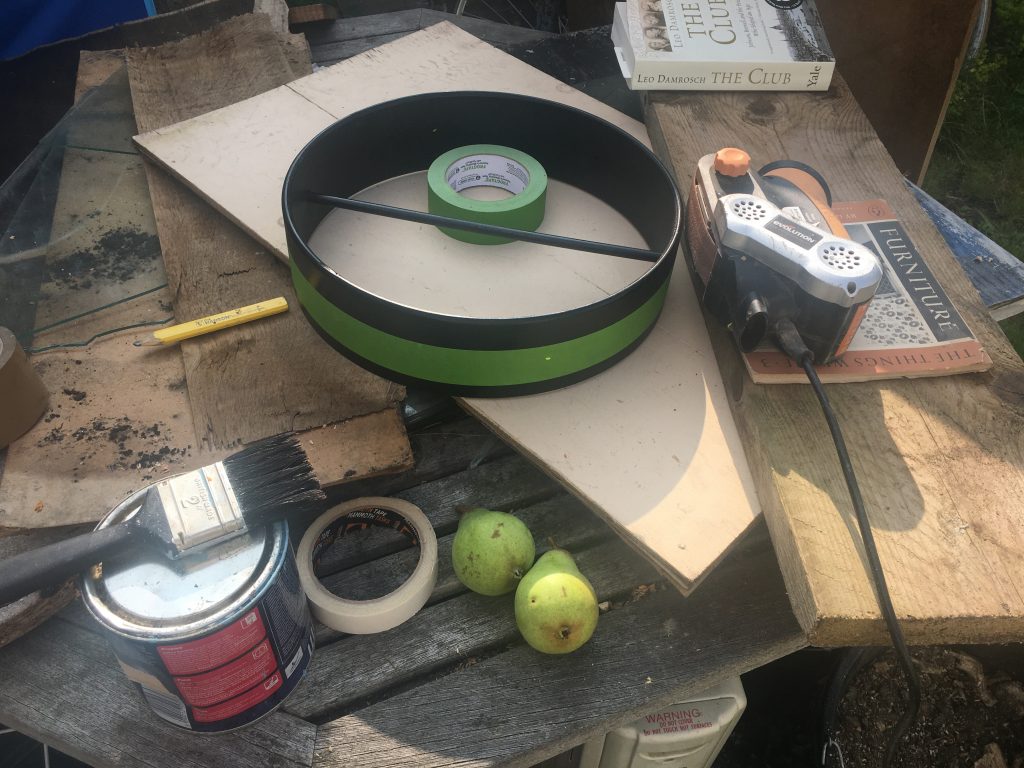
I’ve made it from an old 13” rack-tom, cut around the circumference to a suitable – guestimated! – depth. Added a single cross-bar (some have none, some one or two, others have a ‘T-bar’, etc).
Sanded off a band to take the glue/skin.
Our pal Ken routed a new bearing edge on the playing side (again, totally guessed at!). And today I had to sand back to natural wood after having sprayed and lacquered the raw birch black/gloss.
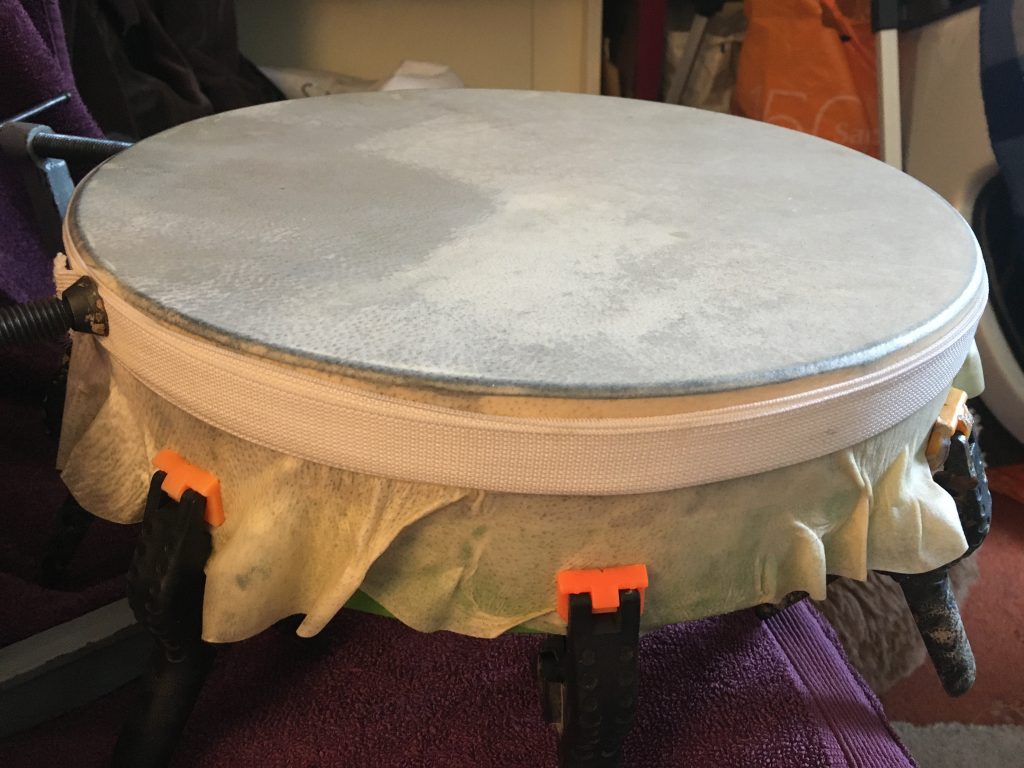
And then came the fraught process of gluing the goatskin head to the frame. Got in a bit of a panic over this. But I think we triumphed (Teresa helped!) in the end.
Goatskin head secured with elastic and spring clamps, etc.
Letting the skin glue overnight. Tomorrow I’ll be hammering in shortened (if not shortened they’d go straight through the shell) furniture tacks, and cutting the excess goatskin away.
Kind of scary, having no experience in this area at all. But fun as well. Hope it turn out alright!?
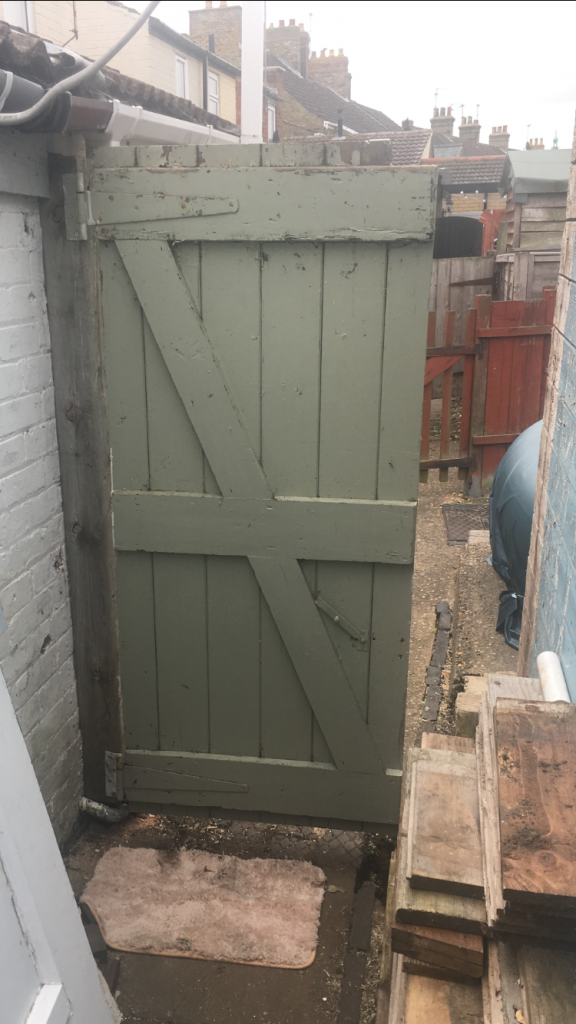
Quite a while back, I decided to cut back the ivy growing up between our rear gate and the shed. I had done so once or twice before. But this time I wanted to be shot of it.
The consequence of this was that the gate post and the portions of the fence that had been encroached upon by the very rampant well developed ivy were utterly destroyed.
After a very long hiatus, over this summer of ‘21, I finally got around to dealing with this. I had hoped to hire a builder. And we had a few round to quote for the job. The job being getting the ivy roots and the hardcore/cement and remnants of the previous gate post dug out, and a new post put in.
The builder whose quote we were best pleased with, a chap named Tommy, never showed, nor returned any of my calls as to when he might deign to come and do the job. So the task reverted to me. Good job, really, as I hadn’t the money to pay him!
So, after a long hard go at removing the roots and concrete, etc, with a view to rehanging the old gate in the same spot, I eventually gave up. But it before I’d got about a foot down, removing earth, and then drilling into the cement/hardcore mix with a long masonry bit, in my larger hammer drill. But progress from that point on was torturously slow.
Having decided that this wasn’t really working, I had to go with plan B, and attach a post not down into the earth, but up against the rear wall of our property.
This meant drilling through a 4” post and into the brickwork. In the end I secured the post with five long screws, going into wall-plugs into the bricks. I also used a ‘no more mails’ type fixative – a whole tube – to help really bond this post to the wall.
Having let that go off overnight, next step was to re-hang the gate. It had to be rotated through 180°, so it’s now upside-down! First attempt I screwed it into the wrong face of the post! Second attempt, success.
The vertical angles are none of them plumb. But I used a spirit level anyway, just to get a half-decent alignment.
Next it was time to return to the original post-hole. Ding-ding… seconds out, rounds three and four. Eventually, after working with a saw, chainsaw, axe, pry-bar, chisels and a skill-saw, I got as much of the ivy root system out as I could, without either going insane or mutilating myself.
I could then proceed with putting in a new post (actually an old one, reclaimed from a local skip!), which would now be the one to receive only the latch fitting, rather than, as formerly, supporting the gate itself. I fixed this in situ using some old shelf-support brackets.
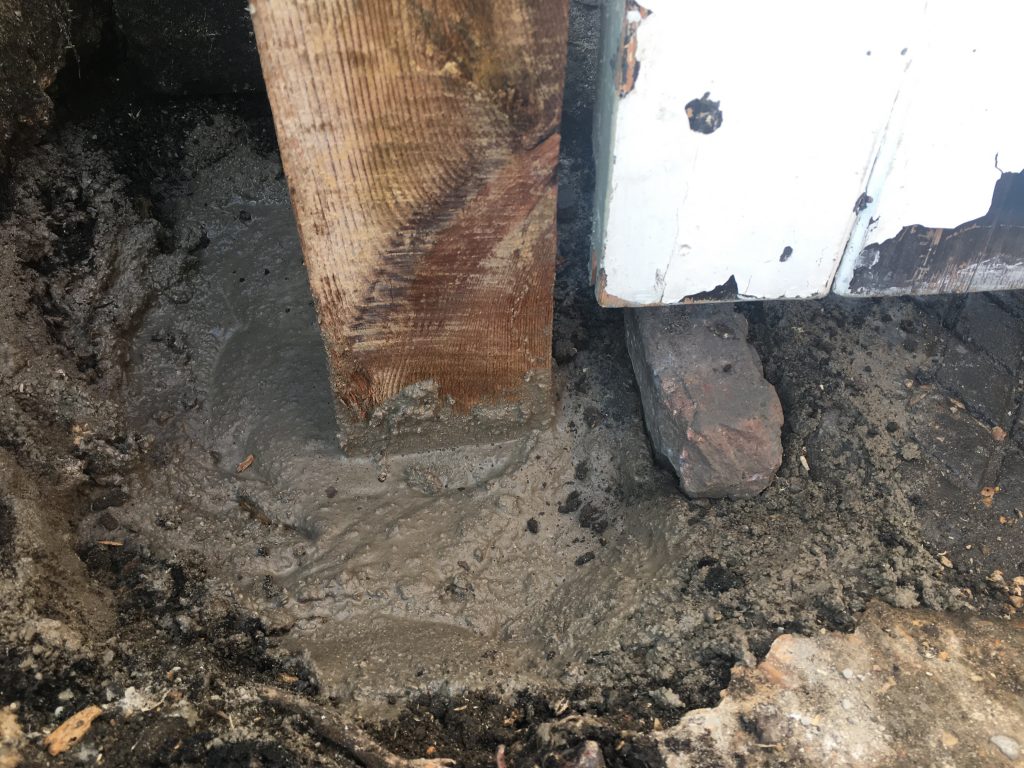
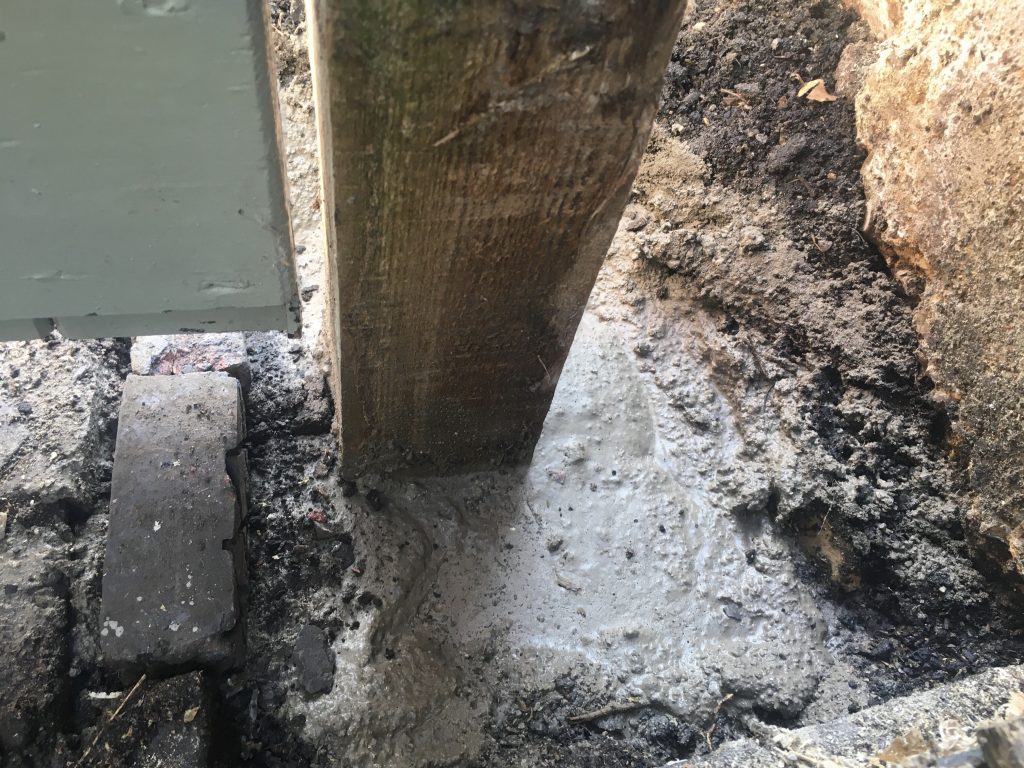
The post-hole on the right of the gate, seen from our side, needed back-filling with some of the soil I’d dug out. Once that was done, using moistened soil (aka mud) so it’d hold its shape, I poured water into the hole, to half way. Then I poured on some quick-setting post-crete.
As the photos here attest, this was a rough n’ ready type job. Not quite Robert Adam or Nostell Priory! But we will be tidying it all up, in ‘dew coarse’. It’s good to get these little jobs ticked off. And also to not be paying tradesmen to do ‘em.
This album is quite divisive amongst some Stones fans. For some reason it was the first and only Stones album I had (as an original album, I had numerous on cassette!), as a young’un.
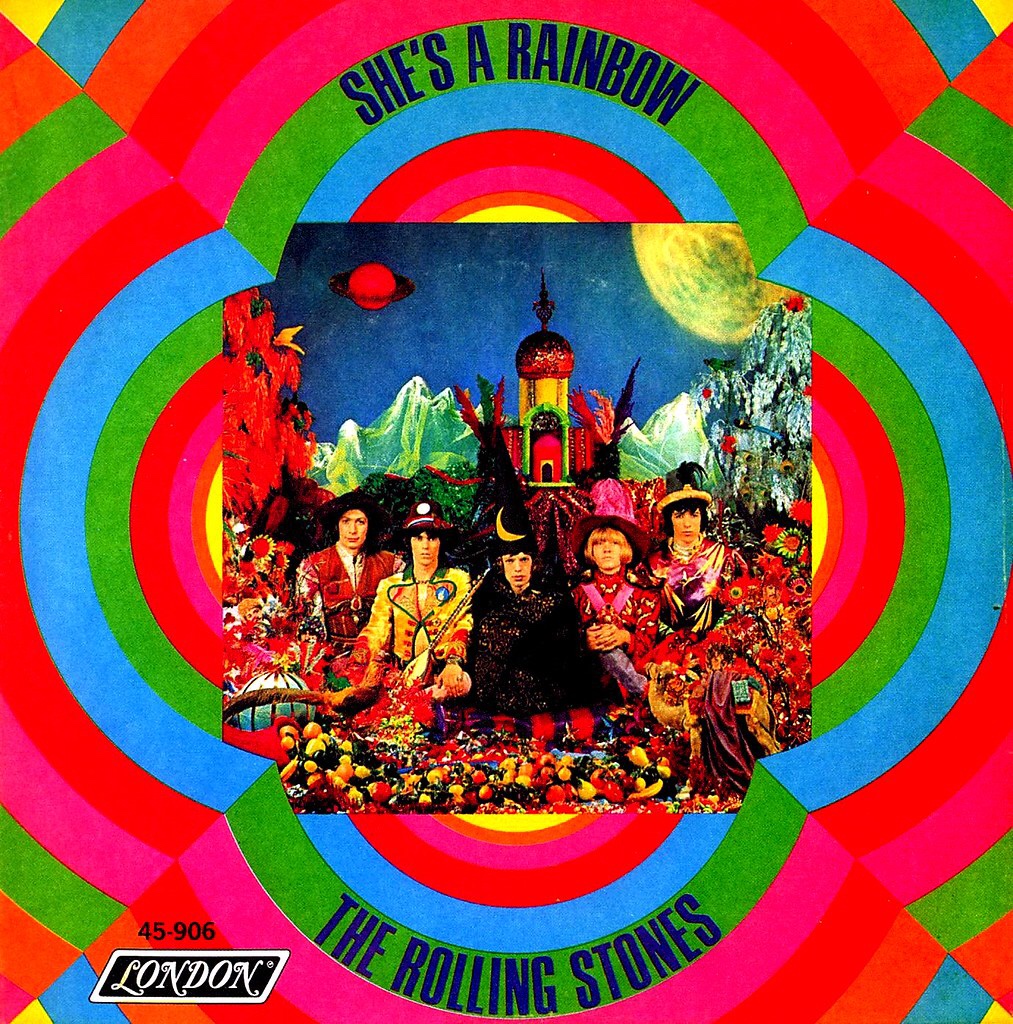
I liked it back then, and I still like it now. It’s a bit of mixed bag. But then all of their albums are. Like practically all Stones albums (once they’d turned from a covers band to an originals group) there are two great tracks: She’s A Rainbow and 2,000 Light Years From Home, on this occasion.
Then there are a number that are just ok, but that’s The Stones for you. Even the repeated Why Don’t We Sing This Song motif, which is the most dated and of its time, isn’t all that bad.
I’m not sure if I’m remembering aright, but I believe I saw a Jean Luc Godard movie either by or about or featuring The Stones, from around this era. It might even have included stuff from the album? The memories are a bit hazy!
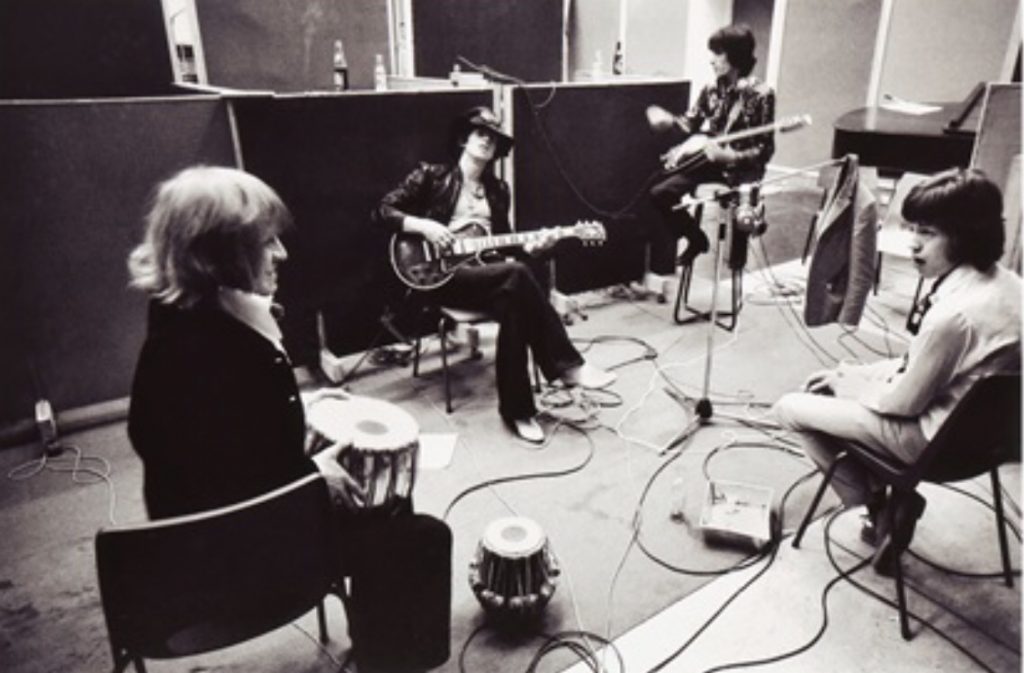
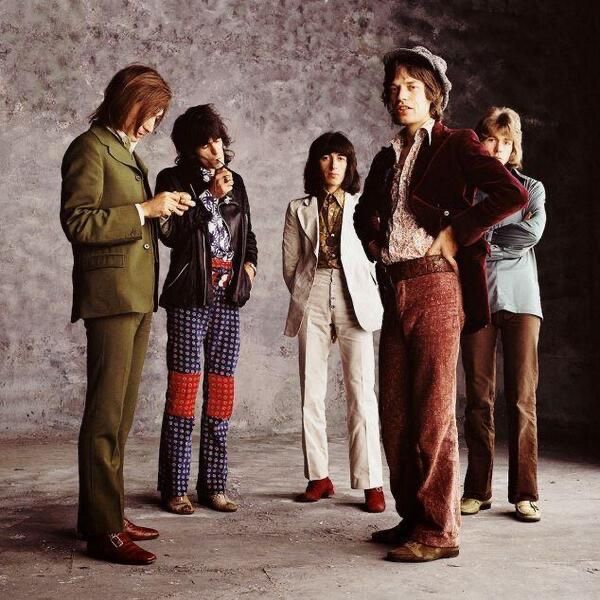
Taking a break during sessions for She’s a Rainbow.
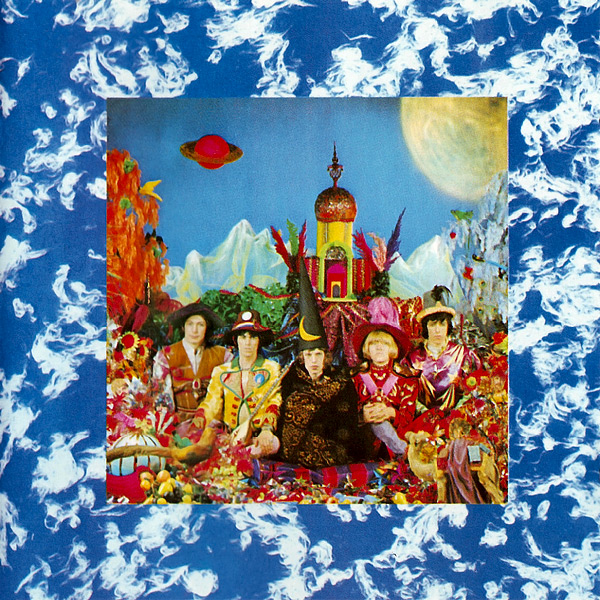
The whole whacked out late-‘60s psychedelic vibe does both look (that cover!) and sound rather dated and silly now. But for some it may retain certain charms? I feel like I can kind of have my cake and eat it, with this disc: it really is quite silly in places. But I really rather like it, nevertheless.
All told? Well, yes, it’s a bit of an oddity in their catalogue, but not that big of an aberration, as some would have you believe. I like it enough that, having lost or got rid of my original copy, many moons ago, I’ve recently re-acquired it.
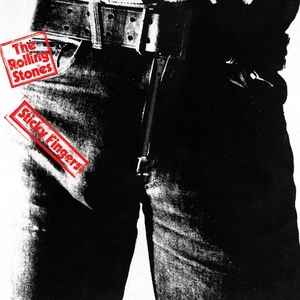
With its classic Andy Warhol cover art, and kicking off with the rambunctious ode to inter-racial love that is Brown Sugar, quintessential Stones if ever a song was, Sticky Fingers gets off (titter) to a great start.
Hardcore Stones fans will probably want to crucify me for such sacrilegious views, but many of the non-hit album tracks, from Sway to Dead Flowers are rather perfunctory, for all that Jagger may wail away at full cry.
As with so many Stones records, there are basically two great tracks. Here it’s Brown Sugar and track three, the plaintive Wild Horses. These two tracks alone make the album worth having.
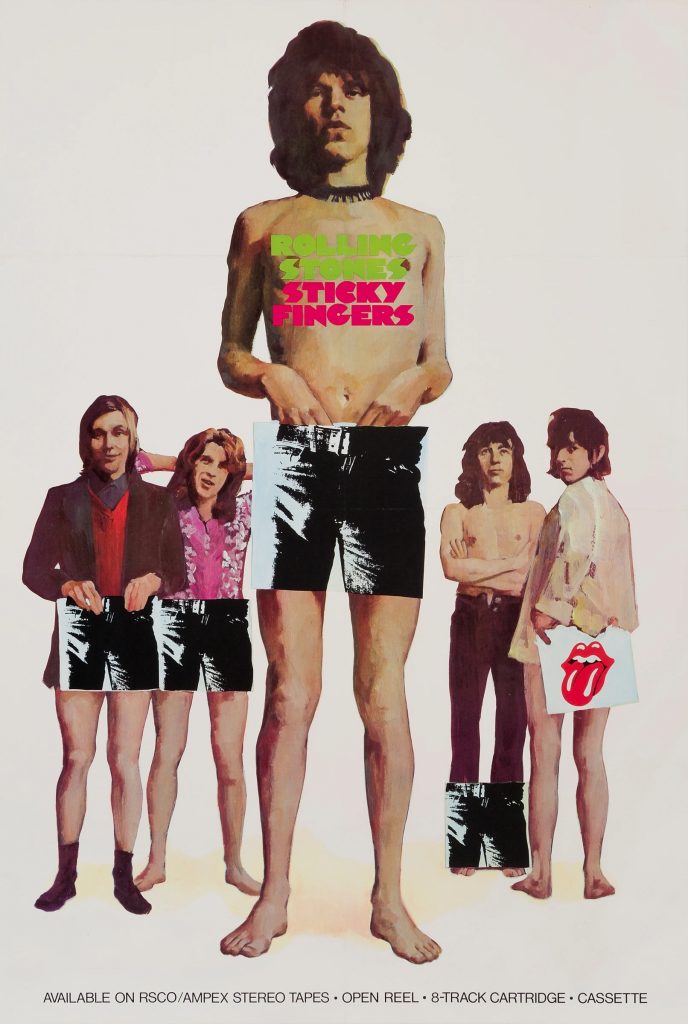
Promo’ for the album.
Track four, Can’t You Hear Me Knocking, kind of epitomises a quality of The Stones I find perplexing: after a promising start, it goes through several stages of ‘überjam’ self-indulgence, occasionally quite compelling, but overall winding up rather thin, and definitely out-staying its welcome.
Another regular feature of many Stones recordings is the presence of one of more covers of old Blues classics, in a nod to their roots, here it’s You Gotta Move, by ‘Mississippi’ Fred McDowell and ‘Rev’ Gary Davis.
Bitch grooves along nicely, benefitting from a funkily soulful horn section. The horns continue on I Got The Blues, a slower number in a six feel, which has some nice organ playing in it. I’m not a fan of Sister Morphine, nor the whole Marianne Faithful groupie-louche-druggy aspect of The Stones.
The Stones, 1967style.
Dead Flowers is another of the more pedestrian Stones fillers, being rather undistinguished. Fortunately the final track is somewhat better; Moonlight Mile is no classic, unlike The Stones greatest hits, and meanders a fair bit, but it’s a cut above the stodgier filler material. The strings are a nice touch.
So, yet another very patchy entry into the canon that is The Stones run of ‘classic’ late ‘60 early ‘70s albums, made essential by two fab tracks, with a smattering of second division pieces, and finally filled out with some fun but less inspired material.
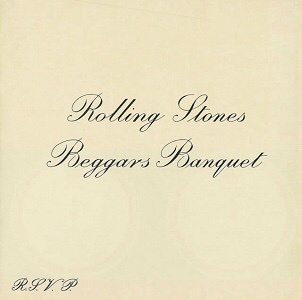
After the perhaps rather aberrant Satanic Majesties, The Stones return to rather safer waters. Kicking off with the terrific percussion-driven Sympathy For The Devil, and with Street Fighting Man starting side two, as was, this disc has ‘classic’ ‘70s Stones stamped all over it.
From what many, myself included, regard as their ‘purple patch’, Beggar’s Banquet benefits from the non-hits, or ‘album tracks’, being, for the most part, rather better than on some of their other albums.
Indeed, some of the lesser known tracks on BB are amongst my favourites of what one might call their ‘second division’ songbook. No Expectations, for example, is a delightfully simple and wistfully mellow number.
The following two much more bluesy tracks, Dear Doctor and Parachute Woman, are just a whisker more interesting than much standard stodgy blues clichés… just! Jigsaw Puzzle, on the other hand, is a wispy jam on an undistinguished cycle of chords, with Jagger singing a less than classic lyric that harks back to the more psychedelic vibes of their previous two albums.
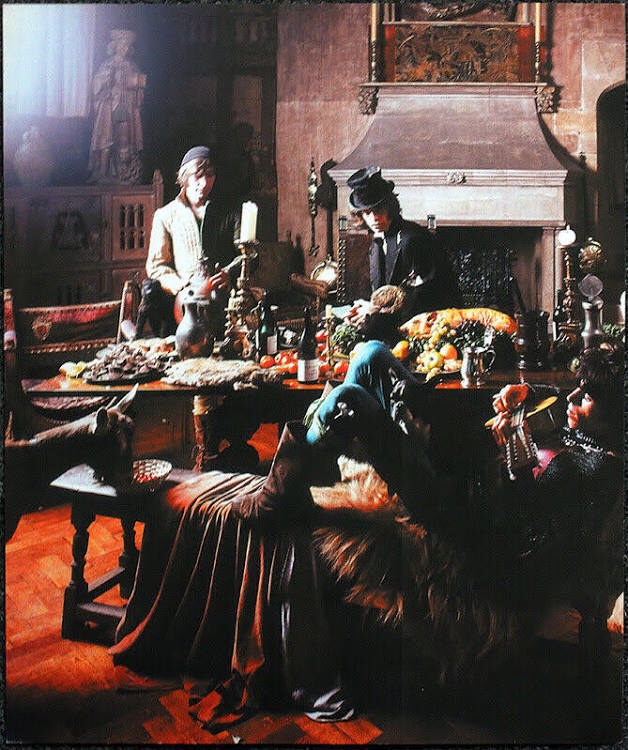
From the Beggar’s Banquet photo-shoot.
Although Brian Jones was still alive, and technically speaking ‘in the band’, at this point, his drug usage mean he’s pretty much out of the picture, musically (altho’, this said, apparently that’s him playing the lovely slide guitar on No Expectations). So the band is really a quartet on these recordings, plus Nicky Hopkins on piano/keys, taking up Jones’ slack.
Street Fighting Man ups the ante again, and shows how much The Stones could get out of a pretty minimal musical idea. The late lamented Charlie Watts and the boy’s in the band drive an energetic groove along with an almost elastic-band type propulsion.
Prodigal Son, the album’s only cover (written by Robert Wilkins) is great; a nicely rootsy slightly haunting early acoustic southern folk-blues. Stray Cat Blues, which follows is, by contrast (for me at least), more pedestrian Stones-by-numbers type fare.
The album wraps up with Factory Girl, a pleasantly country tinged after-hours folksy ditty, replete with fiddle, before ending, with more of a whimper than a bang, with Keith Richards singing Salt Of The Earth. Jaggers’ joins in, as do a chorus of dusky soulful backing singers, lifting things a little, the song eventually morphing into a ‘sanctified’ double-time gospel feel, Hopkins piano coming to the fore.
But it’s a weak ending, alas, to a stronger than average entry into The Stones run of late ‘60s early ‘70s classic albums. So, whilst rather patchy, Beggar’s Banquet just about manages to attain a place in the company of the ‘best of The Stones records’.
This is probably sacrilegious to hardcore Stones fans, but I think this is actually the album Exile On Main Street was hoping it might or could be. Ok, it’s definitely not an exact equivalent, as it’s much shorter and far more focussed. But it’s better for both those reasons. It’s also more consistent and better written overall.
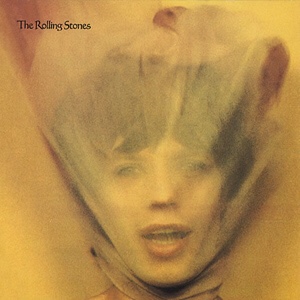
The cover is interesting, looking very much as if intended to transform Jagger’s shaggy mop-topped noggin into a tufted lady-grotto, via a lacey sheet and soft lighting.
Unlike many Stones albums, that kick off with a hit, here you have to wait until track five (or the last track of side one, as it was in LP form), when Angie hits the motherlode. And that’s it, a far as ‘standout hits’ goes for this disc!
Fivetunately, as my dad liked to say occasionally, pretty much all the tracks that lead up to Angie are better than many of the fillers and potboilers that make up substantial amounts of a lot of other Stones records, the sort of meandering fare that has traditionally been suggestive of the idea ‘they were never really an albums band’.
Coming directly after Exile, The Stones were indeed still working/recording as itinerant tax-exiles. Adding further to the continuity, Mick Taylor and Nicky Hopkins are still contributing their distinctive flavours to the satanic stew.
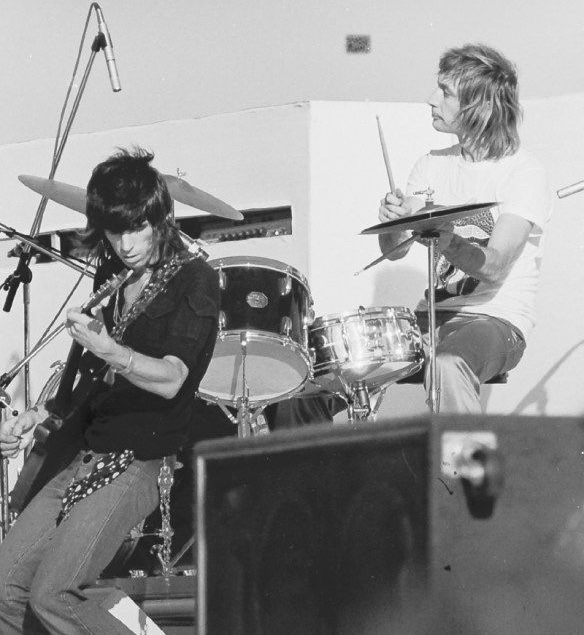
Keef n’ Charlie rockin’ it live, ‘73.
Side one – or the first five tracks – is definitely stronger and more focussed, with side two sounding more ‘in the vein’, so to speak, of Exile, with looser more jam-like feelings dominating proceedings.
Side two get does get stronger and more focussed as it goes on, right up until the ending, where – despite the tight-ish Chuck Berry style music, the ‘rock star excess’ lyrics fall rather flat, all these years later – with the infamous Starfucker (released as a single – and banned by the BBC – with Ahmet Ertegun insisting it be renamed Star Star!).
This tracks reminds me of why I’ve generally avoided the Stones over the years; it’s such pop trash! The music and lyrics are, in all frankness, pretty piss poor. It’s The Stones playing their signature ‘bad boy card‘, and it’s lame.
This aspect of the band has meant that, for years, I’ve dismissed them as musically uninteresting poseurs. And, despite this string of Stones posts celebrating Charlie Watts and the band’s best bits, that still holds, alas.
But, thanks to the moderate amounts of focus and polish (helped by the presence of strings and jazzy horns), and the funkier more soulful material (mostly side one), this less revered disc eclipses the much more lionised Exile. For me at any rate.
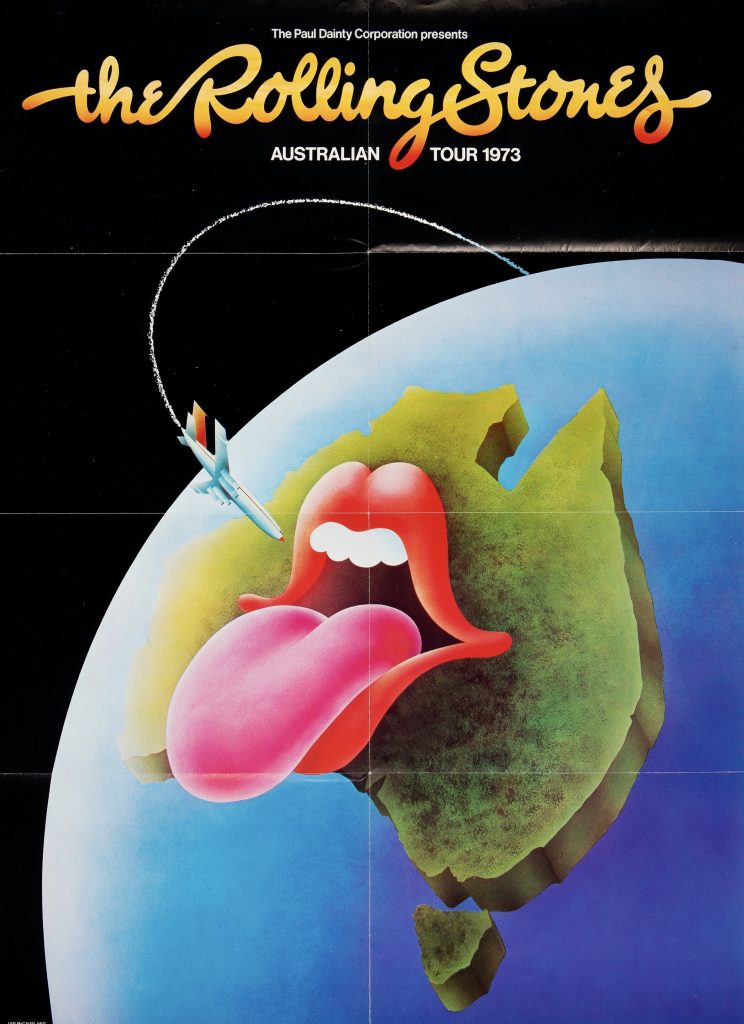
A poster for the Australian leg of The Stones ‘73 tour.
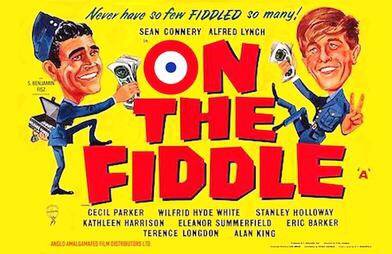
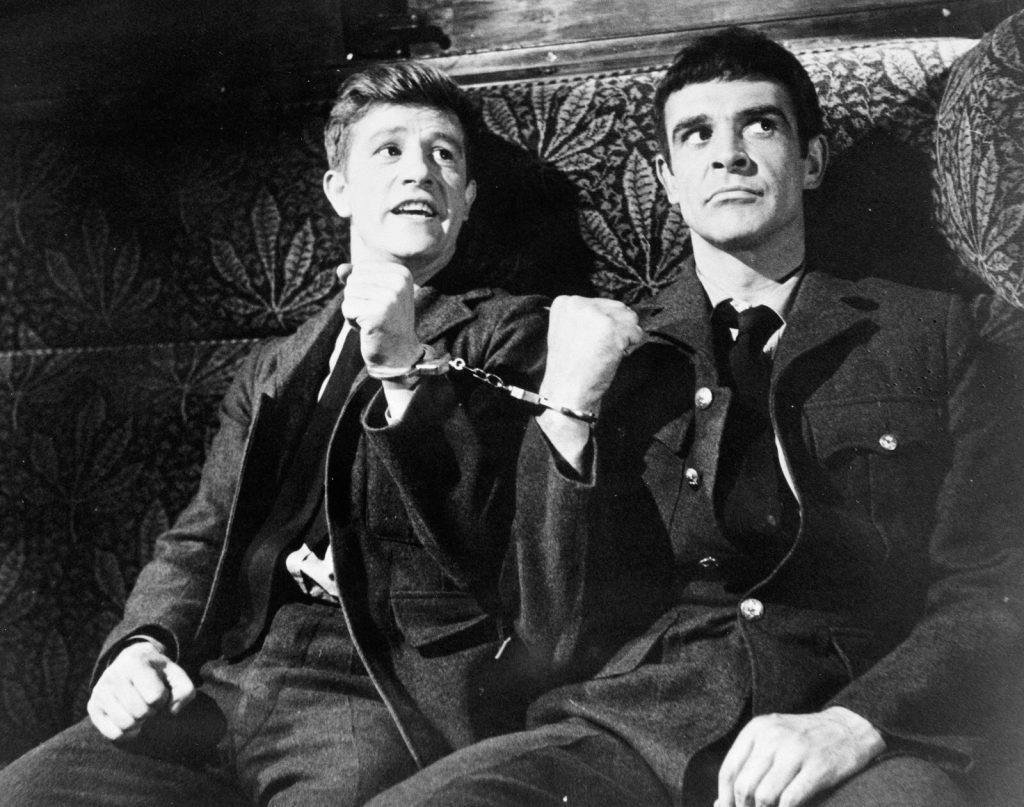
Alfred Lynch is really the star of this gently enjoyable comedy, with a pre Dr No Sean Connery appearing in what is, retrospectively, an unusual and slightly odd comedic sidekick role. Lynch plays Pope, a cheeky cockney chancer, always on the make, and as good a film definition of the concept of the ‘artful dodger’ as any you might hope to find.
While plying his spiv style trade outside an RAF recruitment office, Pope is razzed by the rozzers; his charm offensive with the female ‘beak’ backfires, and he winds up being ‘voluntarily’ enlisted much against his will, where he befriends ‘Pedlar’ Pascoe, Connery’s character.
Lynch, left, is the main character.
An odd pairing – Pope, practically press-ganged, is always ducking and diving, desperate to avoid work, keen to line his pockets, and positively allergic to the idea of frontline service; Pascoe, who volunteered, is a simple, accommodating chap, slow to catch on but quick to help out (oh, and keen to fight the Germans) – we follow them as Pope masterminds one dodge or fiddle after another.
Both leads were relatively new and unknown faces at the time, but they acquit themselves well, and are ably supported by a panoply of classic acting talent of the era, including such stalwarts as Stanley Holloway and Cecil Parker.
Army ‘surplus’ spivs at work.
And there are other faces we know better from later work, such as John le Mesurier, and even ‘Babs’ Windsor, who, along with another dolly-bird have – titter – a couple of small parts (eh?). And, perhaps with an eye to the US market, there’s even a role for American actor and comedian Alan King.
Having already given away a little of the plot, I’ll refrain from any further synopsis. Suffice it to say that we follow the duo in their nefarious misadventures through various intriguing scenarios, all of which afford ample scope for ‘Popey’ to exercise his amoral skills, Connery’s ‘Pedlar’ tagging along affably, a kind of workhorse simpleton whose heft helps Pope out on occasion.
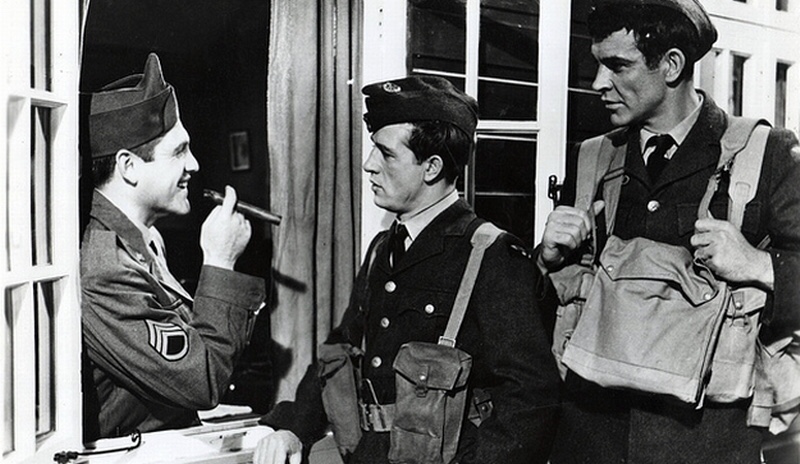
There’s a scene or two to create a Yank tie-in.
The plot is a ‘treatment’ by novelist and Napoleonic history buff R. F. Delderfield, and his literary skills mean this lightweight comedy punches above its weight. The basic premise is itself an unusually amoral take on the British WWII wartime drama genre, and Delderfield sets up scenarios, with dialogue and plot that are sufficiently real to be involving. There’s even the odd poignant moment.
An odd little under the radar type gem this. Perhaps not an out and out classic. Nevertheless, I loved it. My head gives it three or so, whilst my heart gives it four stars. So I’ll give it three and a half for now.
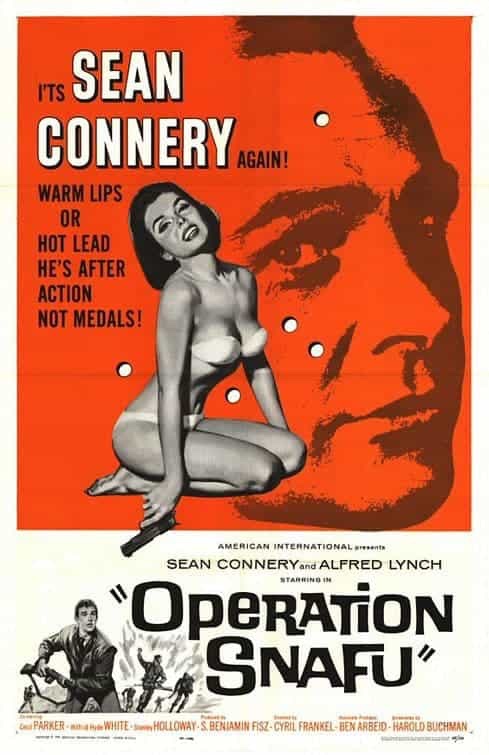
A rather misleading American poster.
The poster above is for the American version, renamed Operation SNAFU, which rather misleadingly gives Connery star billing, and suggests a post-Dr No cash-in.
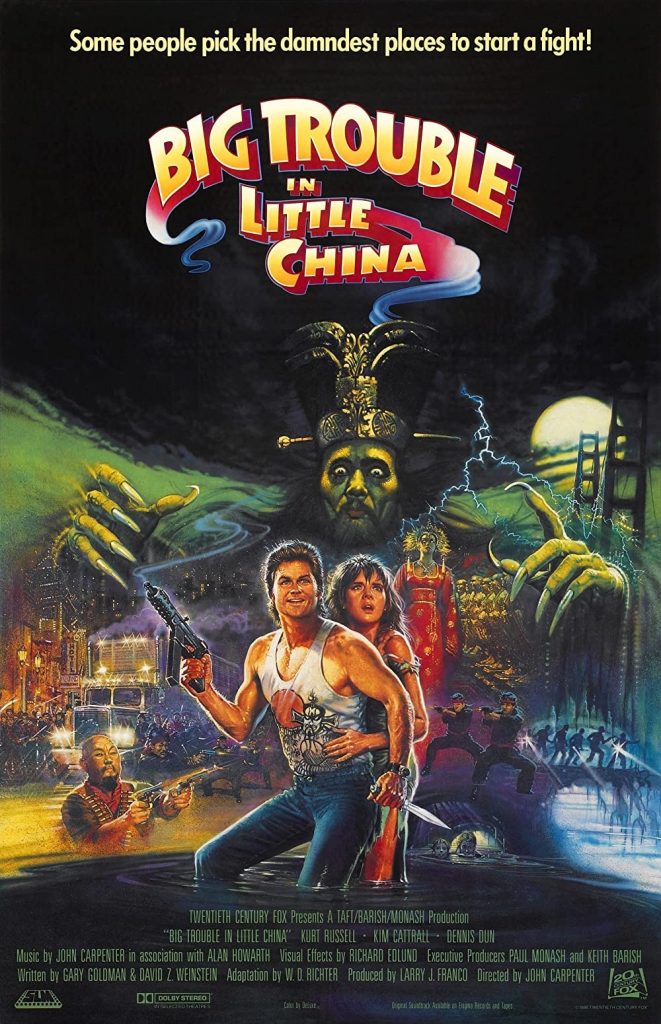
Apparently this was a financial flop when it came out, and a major reason Carpenter turned his back on Hollywood, to go back to a more ‘indie’ style approach. Despite this it’s gone on to acquire minor cult status.
It is very mixed bag, by turns both terrific fun and utterly stupid. Some of the effects are terrific, others risible. The characters are B-movie pulp fare, and the scenario even more wildly erratic, mixing Kung-Fu with ‘Chinese myth’ and boneheaded USofA pecs, guns n rock’n’roll.
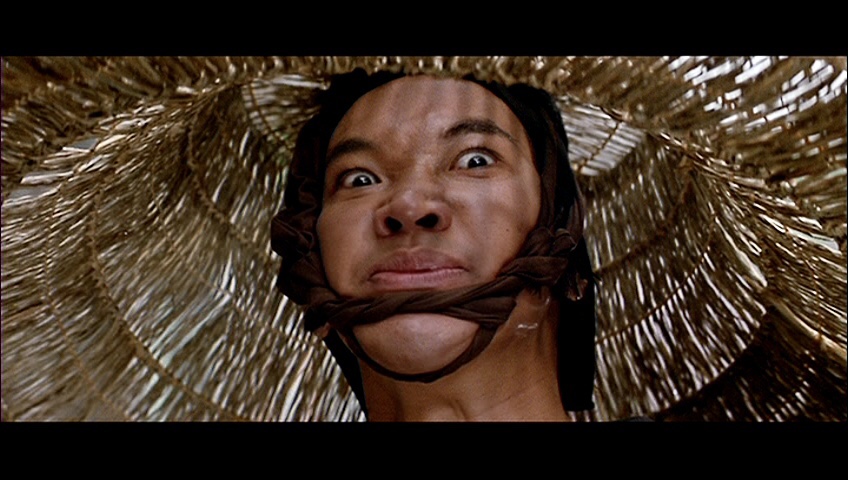
Mad wicker headgear!
It’s all over the map! Up and down quality wise like an amphetamine yo-yo. Kurt Russell is fun as meat-headed meatball physique’d truck-drivin’ tough guy Jack Burton, drivin’ his big-rig, the Pork Chop Express.
An airport pick up with a Chinese pal, after a porcine delivery, and some all night gambling, goes very weird, when Wang’s fiancé is abducted by a Chinese gang. Jack and Wang give chase, and wind up embroiled in a gang fight that takes a bizarre supernatural turn.
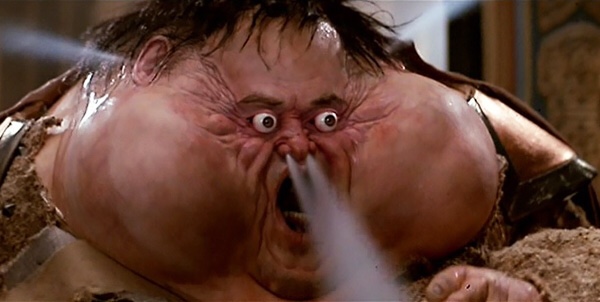
Magical stuff…Weird monsters….
And before we know it, Jack falls for Gracie Law (Kim Cattrall), who also ends up kidnapped, both ladies having been Shanghaied, it transpires, by the mad, bad n’ evil Lo Pan, an accursed sorcerer. Turns out he needs a green-eyed gal, and Miao and Gracie both happen to fit the bill.
After all this chaotic preamble, the main meat of the film becomes the crazy rescue mission, which involves a descent into a subterranean Chinese underworld, with lots of close call scrapes, martial arts madness, a smattering of monsters, sorcery type shenanigans, and a lot of dumb fun/laughs.
This guy takes stress to new levels.
I can’t honestly say it’s a great film. In many ways it’s pretty bad. But it does end up managing to be silly enough and funny enough that, on balance, I enjoyed it.
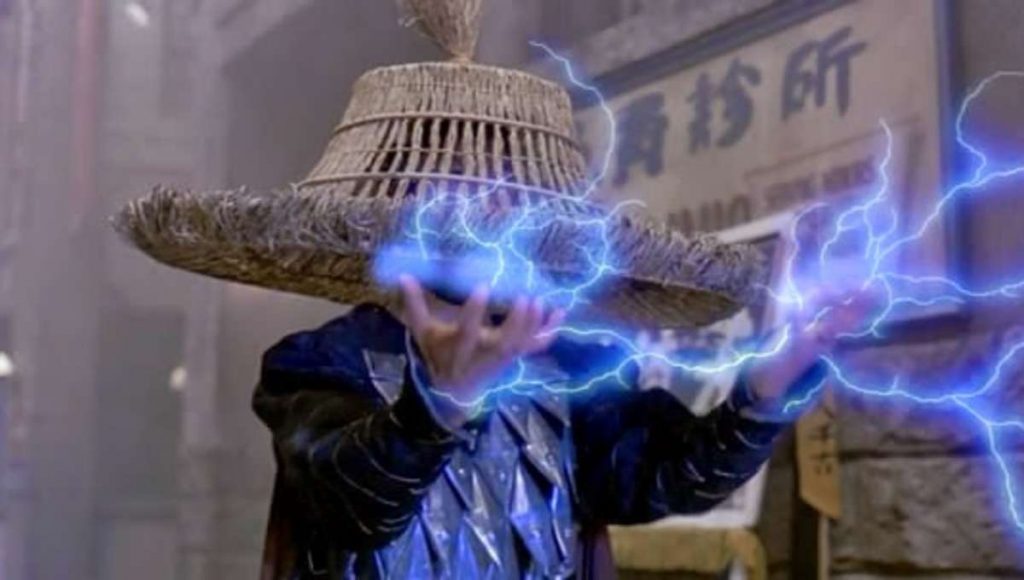
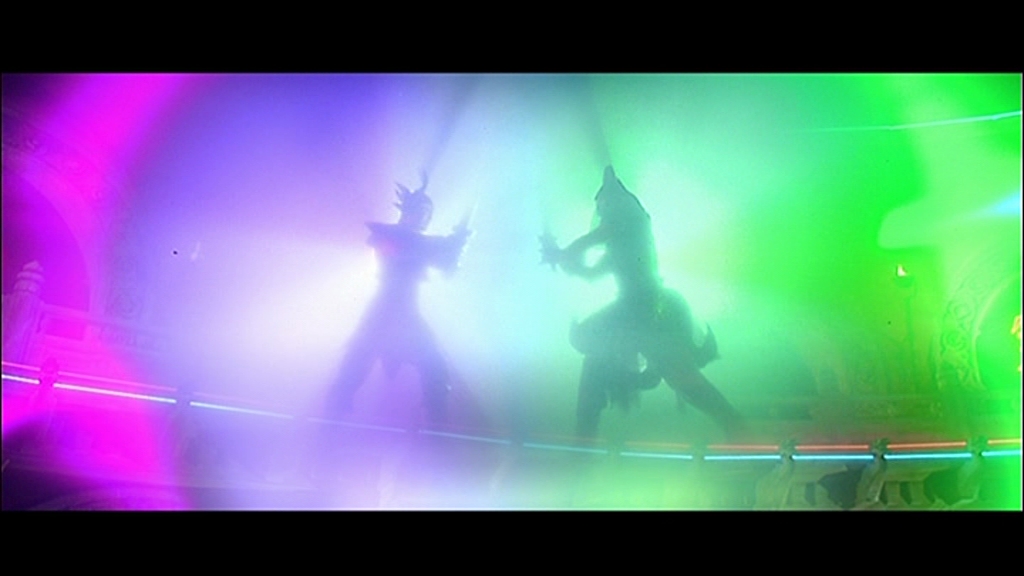
Sorcerers battle by astral projection… nuts! Quite visually effective.
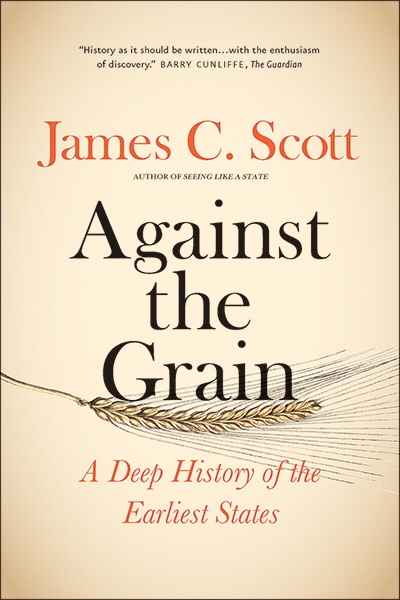
As the title of this interesting book rather cleverly suggests, this book runs counter to some established narratives. The title can also be read, on a slightly deeper level, as a lament in relation to how grain has helped domesticate or even enslave humanity, under the state model.
I won’t go into the detail some reviewers do elsewhere in synopsising the books contents. Suffice it to say Scott challenges the ‘ascent of civilisation’ tale – which he calls a ‘Just So story’ – that has states as the inevitable and more or less immediate next step of sedentism. The winners – the court elites of the states – have written our histories, says Scott, and have consistently denigrated the ‘barbarians’, etc.
The book ends very abruptly, with the brief and ‘melancholy’ admission that ‘the barbarians willingly dug their own grave’. I’m still digesting the masses of stuff the book conveys or argues. So I still don’t quite know what I make of it.
James C Scott (source Yale books website)
On the plus side, Scott is synthesising much broad and disparate information, and attempting to draw conclusions, in areas not strictly his own. I like this polymath style breadth of scope and ambition. On the negative side, his language is occasionally wilfully florid or obscure (and there’s no glossary, so a dictionary is useful), and he can and does repeat himself quite a lot.
Most of all, however, he’s playing Devil’s advocate, by suggesting we’ve been sold a pack of lies; state history has been spinning us a tale of its own inevitability and innate supremacy. I don’t know if this – the ‘facts’ as he sees them, or even exactly what motivates his stance – is good or bad?
But I certainly found the book educational, and very thought-provoking. So I would recommend it. I’ve even gone so far as buying another of his books, also about states and statecraft (Seeing Like A State).
PS – If you want a review that does give you a synopsis of this book’s contents, this is a good one!
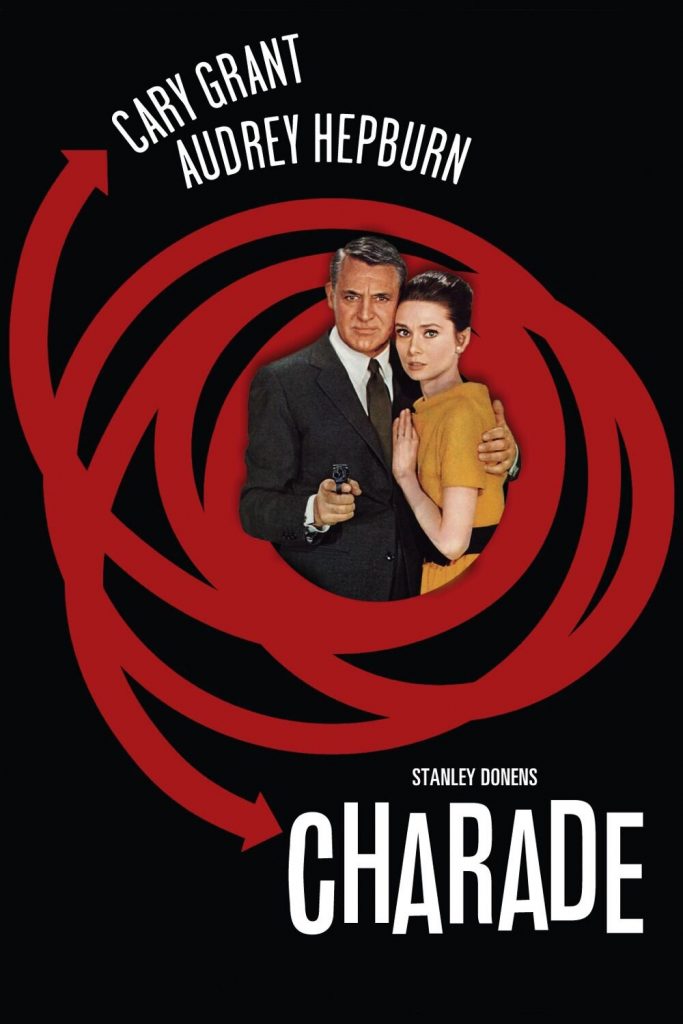
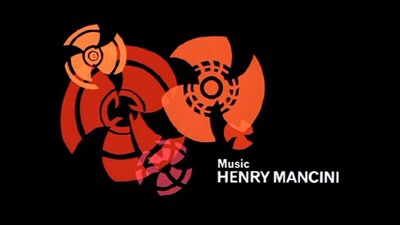
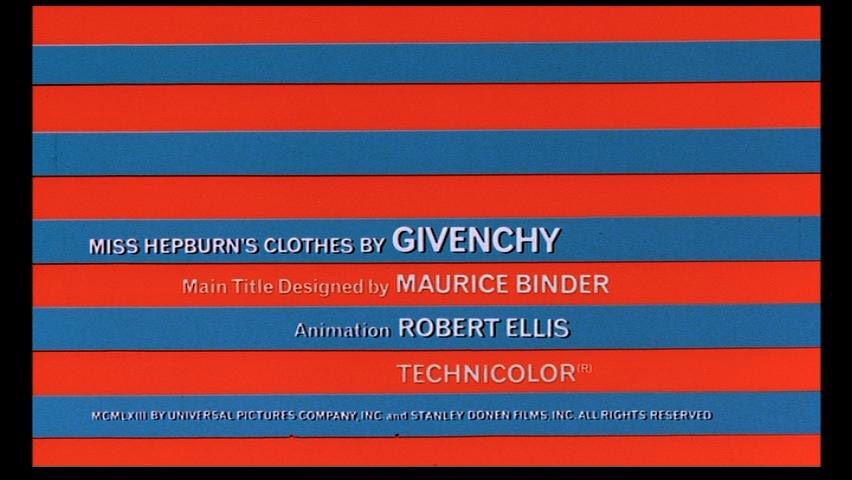
We watched this on Prime a couple of nights back. Weird film! The soundtrack is Henry Mancini, and is great. The opening titles, by Maurice Binder are strikingly good too.
But the opening scene in a ski-resort, where Reggie Lampert (Tawdry Hipbone), rich socialite thinking of a divorce, meets The Man of 1000 Names (Gary Crant) is, like much of the rest of the film, a cloying soufflé of fighting flavours.
When Lampert gets home, she discovers it gutted, her husband dead at the Paris morgue. A bizarre scenario is played out at his funeral, in which we meet the main antagonists. She’s plunged into a web of deceit and suspicion, revolving around a stolen wartime fortune, which she’s suspected of having, whether she knows it or not.
Interesting titles.
But this is all so much hot air, the real centrepiece of the film is the much vaunted repartee, ‘twixt the himbo and bimbo leads. Whilst admittedly often quite amusing, it’s also too much like the script of a fat middle-aged man’s wet dream: he gruffly and wittily uninterested in purring and very available sex kitten. Say wha’!?
This doesn’t have quite the same deft assurance as Hitchcock’s North by Northwest, in which Grant trades similar (but significantly subtler) blows with Eva Marie Saint. But then Charade is more confused as to exactly what kind of movie it really is. It teeters at about 60/40 or maybe 55/45 in favour of romantic comedy over thriller.
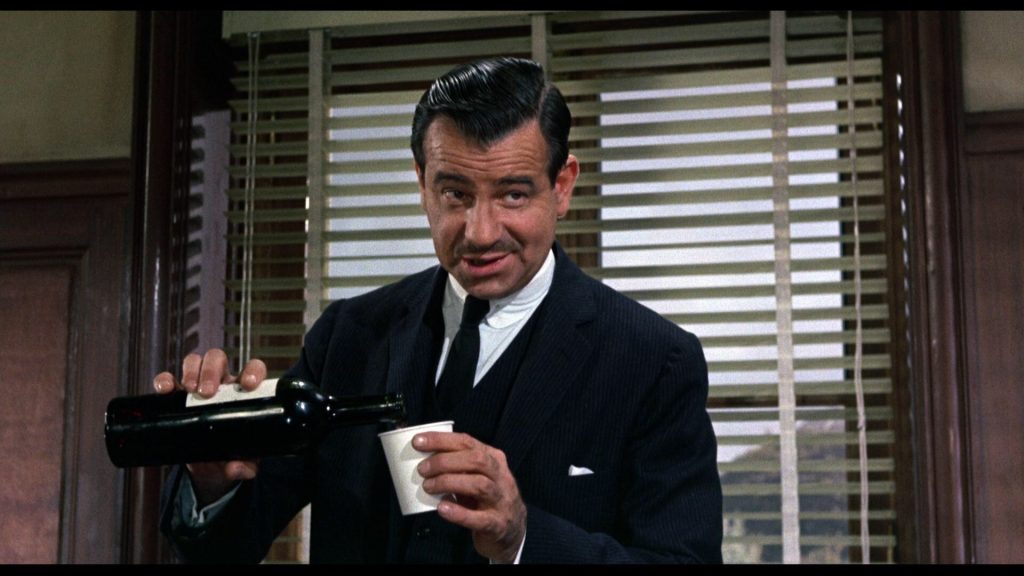
I do love Walter Mathau.
Director/producer Stanley Donen, longest surviving of Hollywood’s ‘golden age’ gang, passed in 2019, aged 94. His most famous film is probably Singin’ In The Rain, closely followed by On The Town. A former choreographer, best known for musicals, it’s as if he can’t choose which genre he’s going with here.
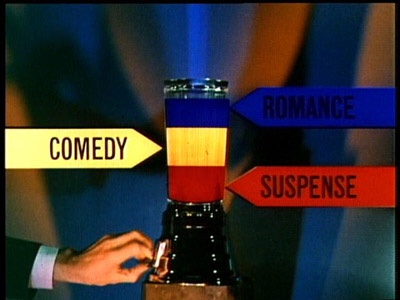
The alternations between light comedy and borderline scary thriller, as Hepburn and Grant spar, fall inevitably in love, and search for the deadly missing swag, are frequent and more than a little discombobulating. In the end the charisma of the main leads, and the charms of Paris, where it’s mostly shot, just about carry the weight of this mish-mash of a movie.
The film’s trailer trades on the blending of styles idea.
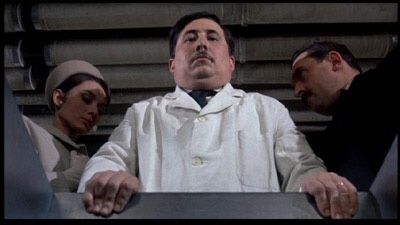
So, to the small supporting ensemble: Walter Mathau I pretty much always love, not sure why. James Coburn likewise. Ned Glass is great too. George Kennedy I find more variable; great sometimes, not so good at others. He is probably the weakest of the key supporting roles, for me. But these guys populate what is a small core of central characters in this rather whacky movie, in which $250,000 of lost US Govt. OSS loot is the plot driving ‘McGuffin’ propelling the action along.
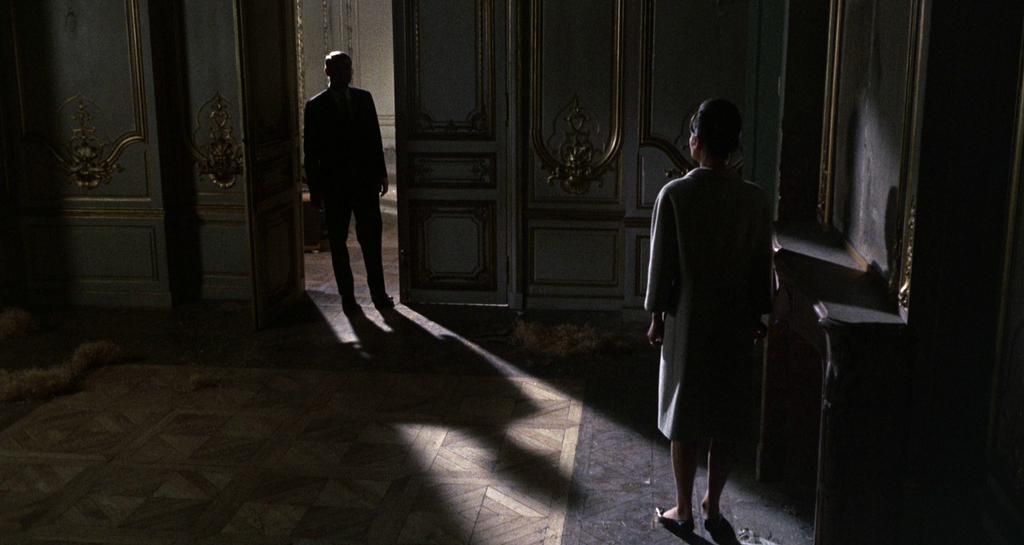
Some interesting shots…… clearly tip a hat to Hitchcock.
The ending of the film ratchets up the consistent theme of confusion, to which the title Charade alludes, quite nicely. And we head for a denouement at once both surprising and yet strangely predictable.
Not quite reaching truly Hitchcockian heights, it’s like a confused pastiche or homage to him. A period piece and an oddity, but very definitely worth watching.